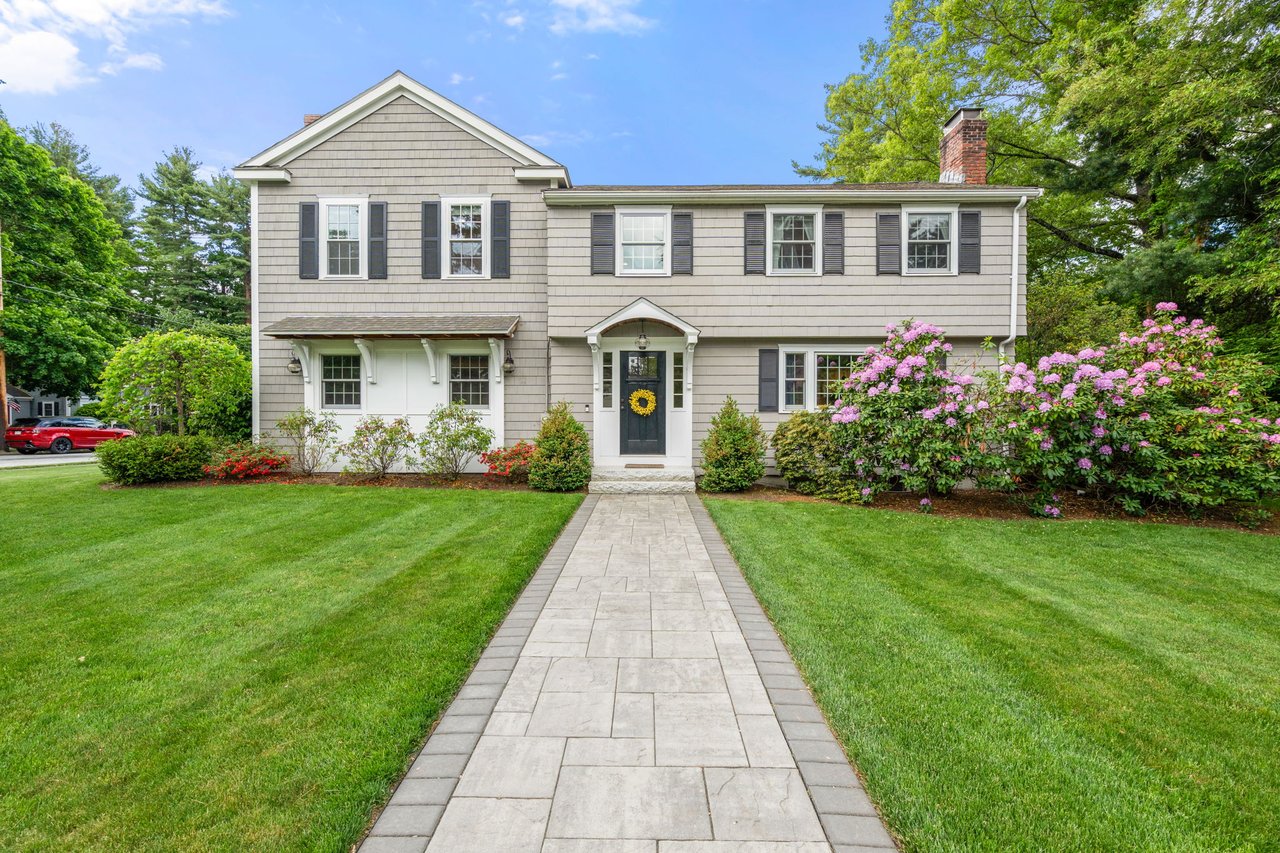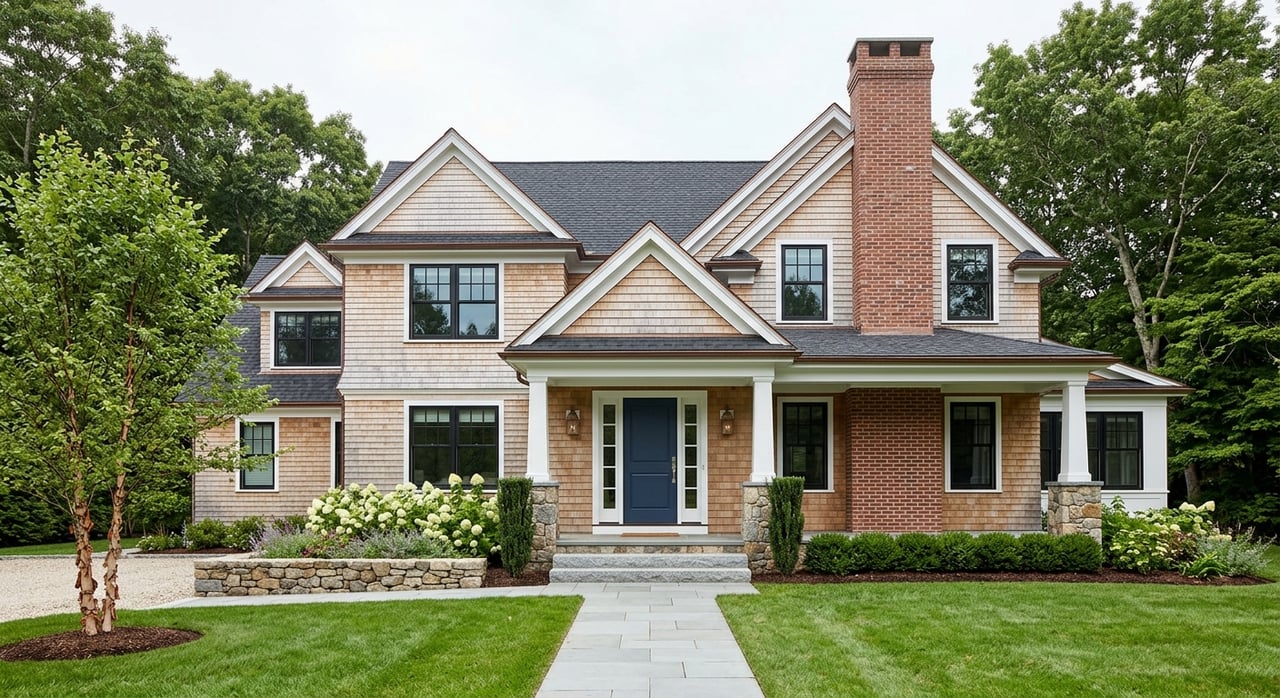
If you are buying in Sudbury, one question can shape your whole search: do you want the character of an older home or the clean slate of newer construction? In a town known for its historic identity, large-lot zoning, and mostly single-family housing, that choice is rarely simple. The good news is that each path can work well if you understand the trade-offs before you make an offer. Let’s dive in.
Why this choice matters in Sudbury
Sudbury is not a market where home age is just a style preference. The town’s approved 2025 Housing Production Plan says single-family homes make up 94% of housing units, and Census QuickFacts shows an owner-occupied rate of 89.9% with a median owner-occupied value of $988,900 for 2020 through 2024. In other words, you are shopping in a high-value, largely owner-occupied market where supply, land, and property type all matter.
Sudbury also has a meaningful historic layer. The town inventory identifies about 458 historic pre-1940 buildings, structures, and places, including 403 houses, and 211 of those houses were built before 1900. That means older homes are not a niche category here. They are part of the town’s identity.
At the same time, land and development constraints shape what gets built. The town notes that nearly a third of Sudbury is wetland, floodplain soils are not suitable for septic systems, and zoning has long prioritized single-family homes. So when you compare historic charm with new construction, you are really comparing two limited and valuable kinds of opportunity.
What historic homes offer
For many buyers, historic charm is about more than age. It is the feeling you get from original architecture, established streetscapes, and details that are hard to recreate. In Sudbury, that appeal is reinforced by four local historic districts that help preserve places with historic or architectural significance.
The Historic Districts Commission reviews certain exterior changes visible from public ways, including paint color, replacement windows, shutters, additions, new construction, signs, and demolition. That review process helps protect the look and feel many buyers want when they picture an older New England home. It also means the streetscape tends to stay more consistent over time.
Sudbury’s district areas include the Town Center, Wayside Inn, King Philip, and George Pitts Tavern areas. These areas include older homes, landmark buildings, and long-established settings that contribute to a strong sense of place. If you are drawn to heritage and visual character, this can be a major advantage.
The upside of historic charm
An older home in Sudbury may offer benefits that are hard to quantify on a spec sheet:
- Distinct architectural character
- Established landscaping and mature streetscapes
- A stronger connection to Sudbury’s local history
- Scarcity that can support long-term buyer interest
That last point matters. Sudbury’s 2025 housing plan cites 2022 ACS data showing that homes built in 1939 or earlier had a median value of $790,900, which was above homes from the 1940s and 1950s. While every property is different, older homes here are not automatically bargain buys.
What buyers should weigh with older homes
Historic homes can be deeply rewarding, but they usually require a more thoughtful buying process. Sudbury’s housing plan notes that older homes may lack heating and energy efficiencies, may not be code-compliant, and can carry higher utility and maintenance costs. Those are practical issues, not just cosmetic ones.
Lead paint is another key consideration. Massachusetts guidance states that homes built before 1978 may contain lead paint, and renovation work that disturbs certain amounts of paint in pre-1978 housing must be completed by a licensed lead-safe renovation contractor. If you are planning updates, this can affect your timeline and renovation budget.
You should also look closely at preservation rules before assuming you can make exterior changes. Even outside a local historic district, Sudbury’s demolition delay bylaw can apply to pre-1940 buildings that are considered historically significant. If your long-term plan involves major exterior work, teardown potential, or a substantial redesign, it is smart to verify whether any historic review or preservation overlay may apply.
Historic homes may be a good fit if you:
- Value architecture and original details
- Prefer an established setting over a newly built streetscape
- Are comfortable with ongoing maintenance
- Can budget for updates and possible energy improvements
- Are willing to research local review requirements before renovating
Why new construction appeals in Sudbury
If your priority is convenience, efficiency, and a more modern layout, new construction may feel like the better match. In many cases, it offers open floor plans, newer systems, and fewer immediate repair unknowns. For busy buyers, that peace of mind can be worth a premium.
There is also a strong local reason newer homes tend to be larger in Sudbury. The town’s zoning bylaw requires substantial minimum lot sizes, including 40,000 square feet in A-Residential, 60,000 square feet in C-Residential, and 5 acres in the Wayside Inn Historic Preservation zone. Those land requirements can push projects toward larger homes and higher price points.
The sales mix supports that pattern. According to MLS data cited in the housing plan, only 15% of Sudbury single-family sales in 2023 were under 2,000 square feet, while 29% were over 4,000 square feet. If you are shopping new construction, you are often shopping in the larger-home segment of the market.
The upside of new construction
Newer homes often appeal for practical reasons that show up right away in daily life:
- Modern layouts with more flexible living space
- A stronger efficiency baseline
- Fewer near-term system replacements
- Less immediate maintenance compared with many older homes
- Construction and improvements built around current permitting requirements
Sudbury’s Building Department requires permits for all construction that is not an ordinary repair. That does not guarantee quality, but it does mean new construction is part of a current permitting framework. For many buyers, that adds confidence.
What buyers should weigh with new construction
The trade-off is often cost. Sudbury’s 2025 housing plan says a generic 40,000 square foot parcel was valued from $369,000 to $686,400 across neighborhood types in fiscal year 2024. The plan also states that rising land values make a modest home harder to justify.
That is an important local reality. In Sudbury, the price of the land can influence the type of home that gets built on it. So if you are hoping for a smaller new home at a lower price point, your options may be limited.
You should also remember that new does not always mean simple. Build quality, finish choices, and lot conditions still matter. In a town with wetlands, floodplain concerns, and septic constraints in some areas, the site itself can be just as important as the house design.
New construction may be a good fit if you:
- Want a turnkey home with modern systems
- Prefer contemporary layouts and larger room sizes
- Value energy performance from the start
- Have less appetite for renovation projects
- Are prepared for the premium tied to lot size and land value
A smarter way to compare your options
In Sudbury, this decision is usually less about whether a house is old or new and more about the full package. You are comparing architecture, lot size, setting, future work, energy performance, and local review rules all at once. A beautiful antique on a well-situated lot may compete directly with a much newer home for very different reasons.
That is why we encourage buyers to think beyond the listing photos. Ask how the home will live day to day, what the likely maintenance curve looks like, and whether the property supports your long-term plans. In this market, the best choice is often the one that fits your lifestyle and tolerance for future projects, not the one with the newest finishes.
Tips for buying an older home in Sudbury
If you are leaning toward historic charm, use your due diligence carefully. Massachusetts home-inspection rules protect buyers’ rights in residential transactions, and the inspection period is your best time to understand systems, deferred maintenance, and likely short-term costs. You want a clear picture of what is charming and what may soon need attention.
After closing, a home energy assessment can help you prioritize upgrades. That can be especially useful in older homes where comfort, heating performance, and efficiency may vary room to room. A staged improvement plan is often more practical than trying to update everything at once.
Focus on these questions:
- Is the home in a local historic district?
- Could the demolition delay bylaw apply?
- What major systems have been updated?
- Are there likely lead paint considerations?
- What improvements may be needed for comfort or efficiency?
Tips for buying new construction in Sudbury
If you are focused on new construction, pay close attention to the lot as well as the house. In Sudbury, buildability and land value are a big part of the story. Wetlands, septic suitability, and zoning all influence what gets built and how usable a property may feel.
It also helps to compare the home against the broader Sudbury market, not just other new builds. Because the local sales mix includes many larger homes, you want to understand how a property’s size, layout, and lot fit into the market over time. That can help you buy with both comfort and resale in mind.
Focus on these questions:
- How does the lot size compare with zoning requirements?
- Are there any environmental or site constraints?
- What permits were required for the project?
- Does the home’s size align with neighborhood expectations?
- What level of finish and construction quality are you getting for the price?
The bottom line for Sudbury buyers
Historic homes and new construction can both make sense in Sudbury, but they solve different problems. Historic homes offer character, scarcity, and a strong sense of place, while newer homes tend to offer easier day-to-day living, modern design, and fewer immediate unknowns. In a town with high land values, preservation layers, and development limits, your best move is to evaluate the entire property package rather than chase a label.
If you want help comparing older homes, new construction, or both in Sudbury, we can help you sort through the trade-offs with local perspective and a practical eye for value. Request a complimentary consultation with The Walsh Team Partners.
FAQs
Should you expect older homes in Sudbury to cost less than newer homes?
- Not always. Sudbury data cited in the town’s 2025 housing plan show that homes built in 1939 or earlier still held strong median values, so age alone does not make a property inexpensive.
What should you know about historic districts when buying a home in Sudbury?
- Sudbury has four historic districts, and the Historic Districts Commission reviews certain exterior changes visible from public ways. That can affect future plans for windows, paint colors, additions, demolition, and other exterior work.
Why is new construction in Sudbury often larger?
- Sudbury zoning requires large minimum lot sizes in several residential districts, and the town’s sales data show a meaningful share of single-family sales above 4,000 square feet. Land cost and zoning both tend to support larger homes.
What are common risks with older homes in Sudbury?
- Older homes may have lower energy efficiency, higher maintenance costs, possible code issues, and potential lead paint concerns if built before 1978.
How can you compare a historic home and a new home in Sudbury more effectively?
- Focus on the full bundle: lot size, location, maintenance outlook, energy performance, historic review rules, and how well the home supports your long-term plans.