Sudbury MA Real Estate • Historic Homes • New Construction
Historic Charm vs. New Construction in Sudbury: Which Home Is Right for You?
A practical buyer’s guide to comparing older homes, newer builds, lot value, maintenance, lifestyle, and long-term opportunity in one of MetroWest’s most desirable communities

In Sudbury, the choice between historic charm and new construction is not just about style. Older homes can offer character, setting, and scarcity. New construction can offer convenience, efficiency, and modern layouts. The right answer depends on the full property package: house, lot, location, condition, future flexibility, and how you actually want to live.
If you are buying in Sudbury, one question can shape your entire search.
Do you want the character of an older home, or the clean slate of newer construction?
That sounds simple, but in Sudbury it usually is not.
This is a town with historic identity, large lots, limited development opportunities, wetlands, septic considerations, and a mostly single-family housing stock. So when you compare an antique home with a newer build, you are really comparing two very different ownership experiences.
Why This Choice Matters More in Sudbury
Sudbury is not a market where home age is just a design preference. It affects maintenance, renovation flexibility, utility costs, permitting, resale, and sometimes even what you can or cannot change down the road.
The town has a meaningful historic layer, with hundreds of older buildings and homes contributing to its identity. At the same time, zoning, land values, wetlands, and septic constraints all shape what gets built today.
That combination creates a market where both older homes and new construction can be valuable, but for very different reasons.
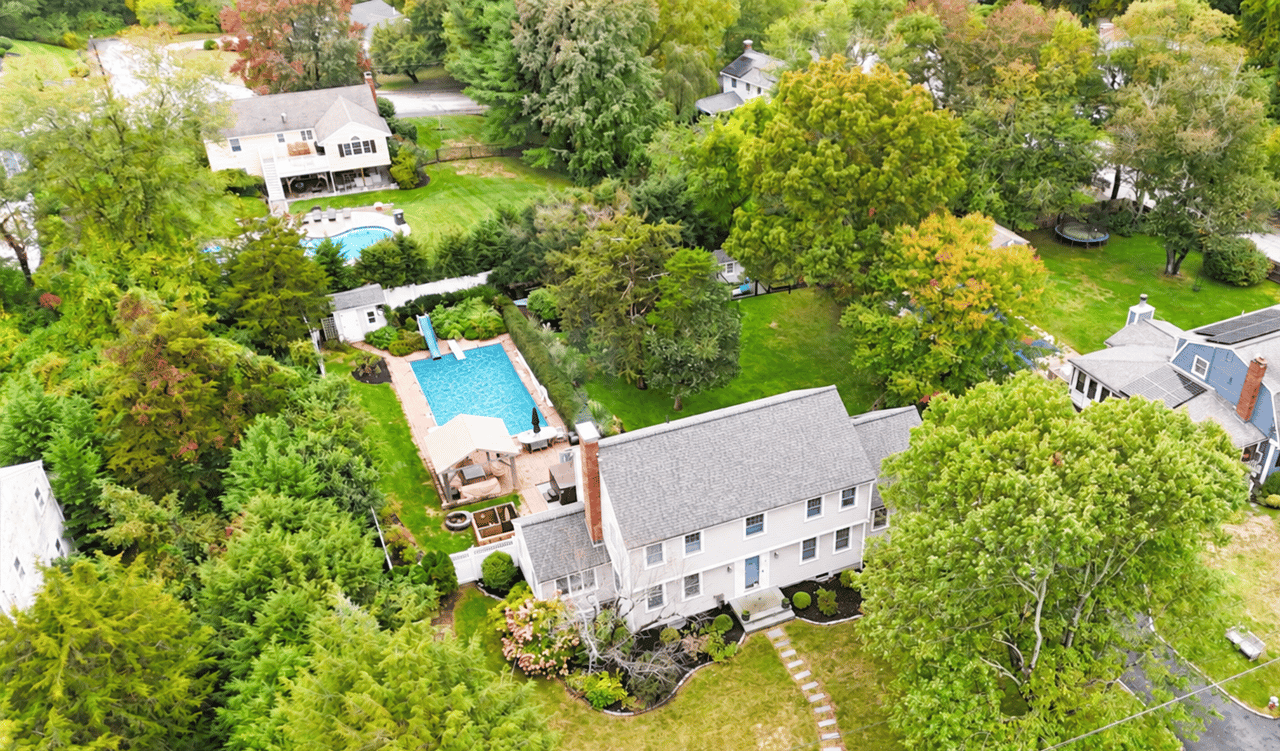
In Sudbury, you are not just buying a house. You are buying the lot, the setting, the zoning context, the maintenance curve, and the future flexibility of the property.
What Historic Homes Offer
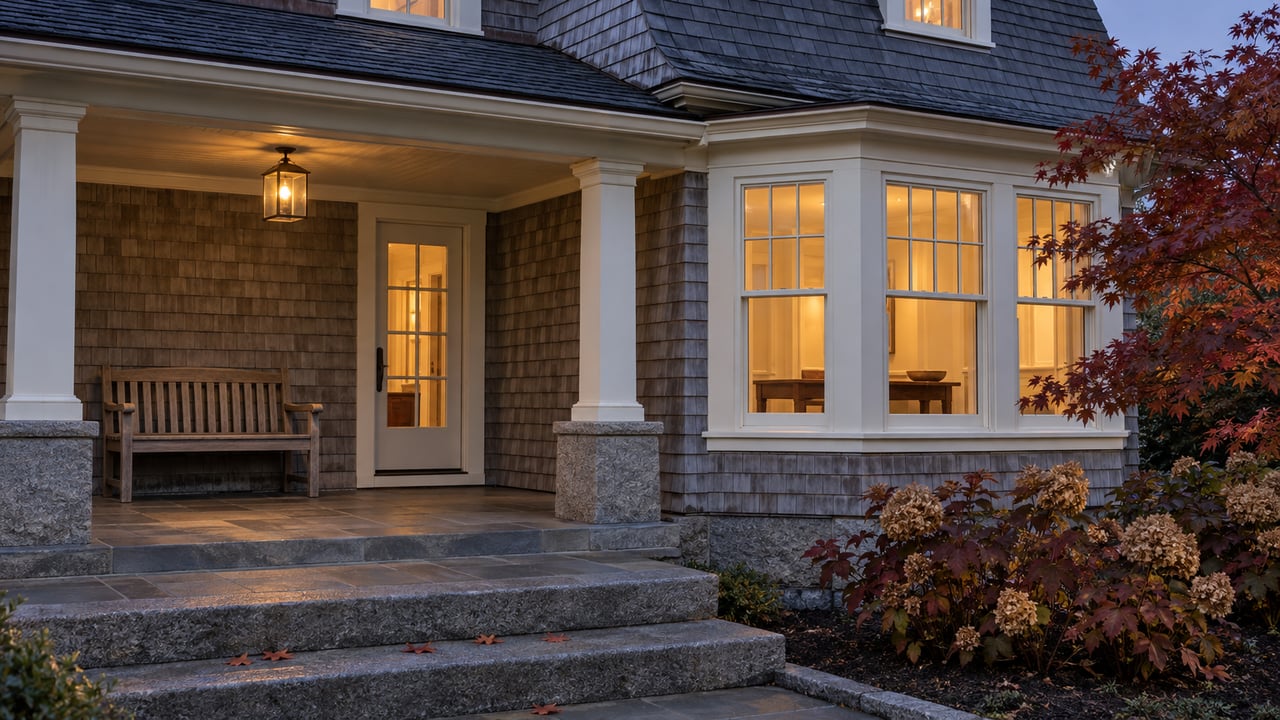
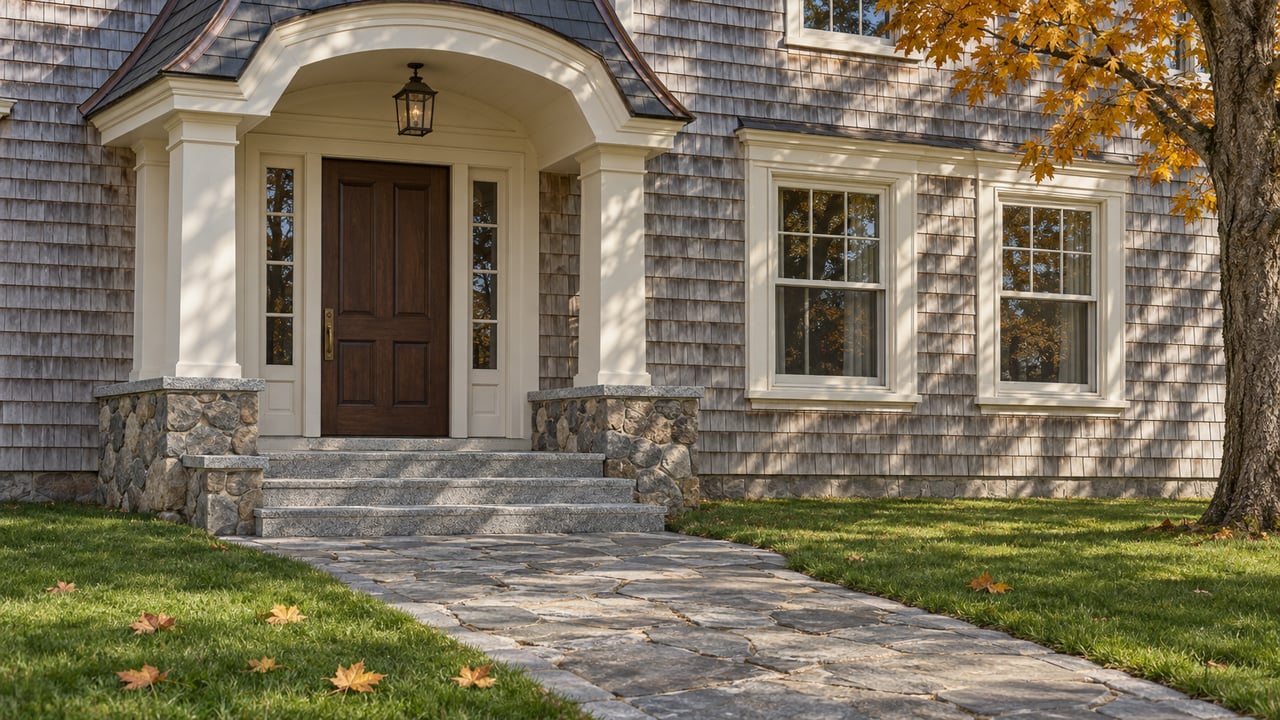
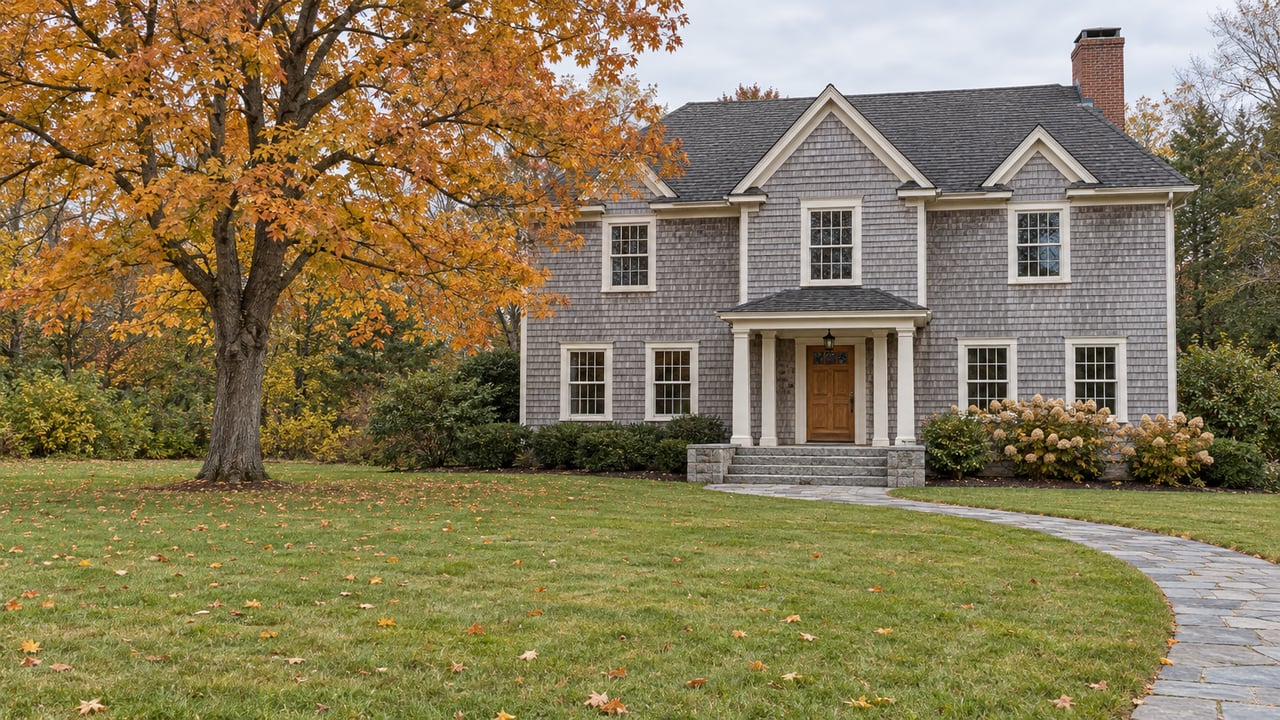
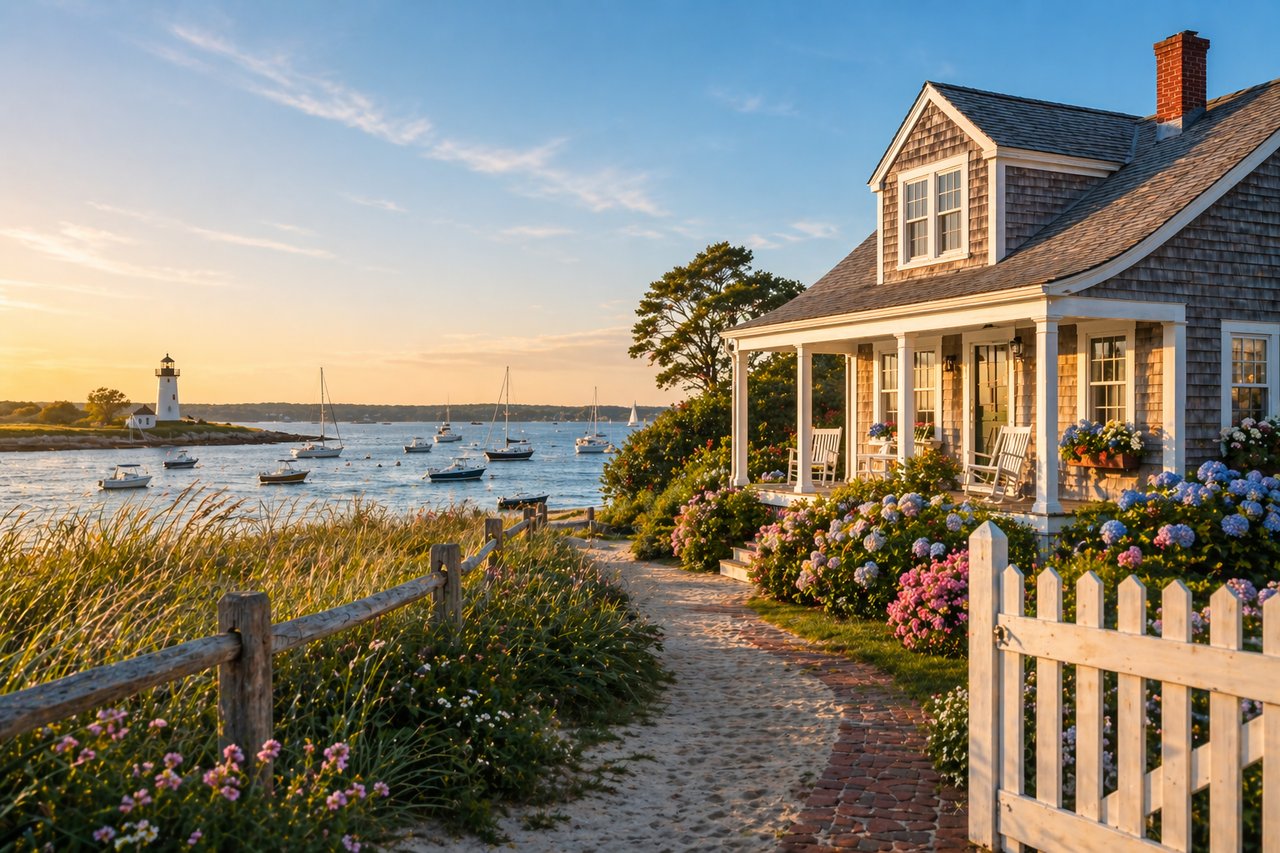
For many buyers, historic charm is about more than age. It is the feeling of original architecture, mature landscaping, established streetscapes, stone walls, older trees, and details that are hard to recreate.
Sudbury has that in a very real way. Older homes are not a side category here. They are part of the town’s identity.
For the right buyer, that can be a major advantage.
“The best older homes in Sudbury are not just old. They have character, setting, and a sense of place that newer construction often cannot duplicate.”
Historic homes may offer:
- Distinct architectural character
- Mature landscaping and established streetscapes
- A stronger connection to Sudbury’s local history
- Scarcity that can support long-term buyer interest
- A more timeless New England feel
An older home that has been thoughtfully updated can be one of the strongest plays in Sudbury because it combines character with livability.
What Buyers Should Watch With Older Homes
Older homes can be incredibly rewarding, but they deserve a more careful buying process.
You want to understand the age and condition of the roof, heating system, electrical, plumbing, windows, insulation, foundation, drainage, and exterior trim. You also want to think realistically about energy efficiency and future maintenance.
If the home was built before 1978, lead paint may be part of the conversation, especially if you plan to renovate. If the home is in a local historic district, exterior changes may also require review.
That does not mean you should avoid older homes. It means you should go in with your eyes open.
“Charm is great. Deferred maintenance is not. The key is knowing the difference before you write the offer.”
Why New Construction Appeals in Sudbury
New construction appeals to buyers who want a more turnkey experience.
Open kitchens, larger family rooms, mudrooms, home offices, finished lower levels, larger primary suites, newer systems, and better energy performance all matter. For busy families, that convenience can be worth a premium.
There is also an emotional side to buying new. You are not inheriting someone else’s renovation choices, maintenance history, or old-house surprises.
New construction may offer:
- Modern layouts and flexible living space
- Newer mechanical systems
- Better baseline energy efficiency
- Less immediate maintenance
- Design choices that match how people live today
New construction in Sudbury often carries a premium because the land itself is expensive. Builders are typically not putting modest homes on premium lots.
What Buyers Should Watch With New Construction
New does not automatically mean better.
Lot quality still matters. Drainage still matters. Builder reputation matters. Finish quality matters. Neighborhood fit matters. Septic, wetlands, grading, and usable yard space can all have a major impact on how the property lives day to day.
A newer home on a compromised lot is not always a better long-term play than an older home on a beautiful piece of land.
“In Sudbury, the lot can be just as important as the house. Sometimes more.”
A Smarter Way to Compare Your Options
The mistake buyers make is treating this as a simple old-versus-new decision.
That is too narrow.
In Sudbury, the better question is: which property gives you the strongest total package?
That means looking at:
- Location within town
- Lot size and usability
- Condition and maintenance outlook
- Energy efficiency
- Renovation potential
- Historic review or zoning considerations
- Neighborhood fit
- Resale appeal
- Whether the home actually fits your lifestyle
I have seen buyers overlook great older homes because they were too focused on age. I have also seen buyers overpay for new construction because they were too focused on finishes. The best decision usually comes from understanding the full property, not just the year it was built.
Which One Is the Better Fit?
A historic home may be the better fit if you value architecture, mature settings, original details, and do not mind taking on some maintenance or improvement projects over time.
New construction may be the better fit if you want a more turnkey experience, modern systems, open living space, and fewer immediate repair concerns.
But the best answer is often somewhere in between: an older or mid-century home that has already been thoughtfully renovated, or a newer home on a lot that truly supports the price.
The Bottom Line for Sudbury Buyers
Historic homes and new construction can both make sense in Sudbury.
Historic homes offer character, scarcity, mature settings, and a strong sense of place. New construction offers convenience, efficiency, modern design, and fewer immediate unknowns.
Neither is automatically better. The right move depends on your lifestyle, your budget, your appetite for maintenance, and your long-term plans for the property.
In a town like Sudbury, the smartest buyers look beyond the listing photos and evaluate the entire property package.
Evan Walsh • MetroWest, Massachusetts
Evan Walsh leads The Walsh Team at William Raveis Real Estate and advises buyers and sellers across Sudbury, Dover, Sherborn, Medfield, Wellesley, Needham, Weston, Westwood, Natick, and the surrounding MetroWest communities.
For buyers comparing historic homes, renovated properties, and new construction, Evan brings a practical local lens to value, condition, lifestyle fit, and long-term resale positioning.
If Sudbury is on your radar, Evan can help you sort through the trade-offs before you make the move.
Thinking About Buying in Sudbury?
Whether you are drawn to historic charm, newer construction, or something in between, let’s talk through your options and build the right strategy.