A Dover Staging Playbook for Colonials and Estate Homes
Staging in 02030 isn’t about decoration. It’s about clarity, proportion, and first impressions—and how cinematic marketing multiplies demand in the spring market.
When buyers pull up to a Dover home, the decision-making starts before they reach the front door.
In 02030 and across the Greater Boston suburbs, presentation is often the difference between a strong result and a truly exceptional one—especially in classic Colonials and larger estate homes where scale, symmetry, and flow need to be read instantly.
Staging isn’t about making a home look trendy. It’s about honoring architecture, clarifying proportion, and creating ease—both in person and online. Below is a practical, room-by-room staging plan designed for Dover’s buyer expectations, plus how a premium media package turns that work into demand.
- Dover buyers care about detail, proportion, privacy, and lifestyle spaces that function.
- Staging succeeds when it clarifies scale, flow, and how the home lives.
- Start outside: arrival, symmetry, and cleanliness drive first impressions.
- Inside: reduce visual noise, keep paths clear, and preserve sightlines.
- Premium media (photo, twilight, drone, video, 3D, plans) multiplies the impact of staging.
Staging in Dover isn’t about adding more. It’s about removing friction so the home reads clearly—fast.
Why Staging Matters in Dover
Dover buyers are deliberate. They notice architectural detail, they care about privacy, and they gravitate toward homes that feel calm and functional—not busy or over-styled.
In larger homes, staging becomes less about aesthetics and more about readability: scale, flow, and purpose. When rooms are properly proportioned and sightlines are clean, the home feels effortless. When they’re not, buyers hesitate even if they can’t explain why.
Set the Stage Before Photos
Arrival and curb appeal
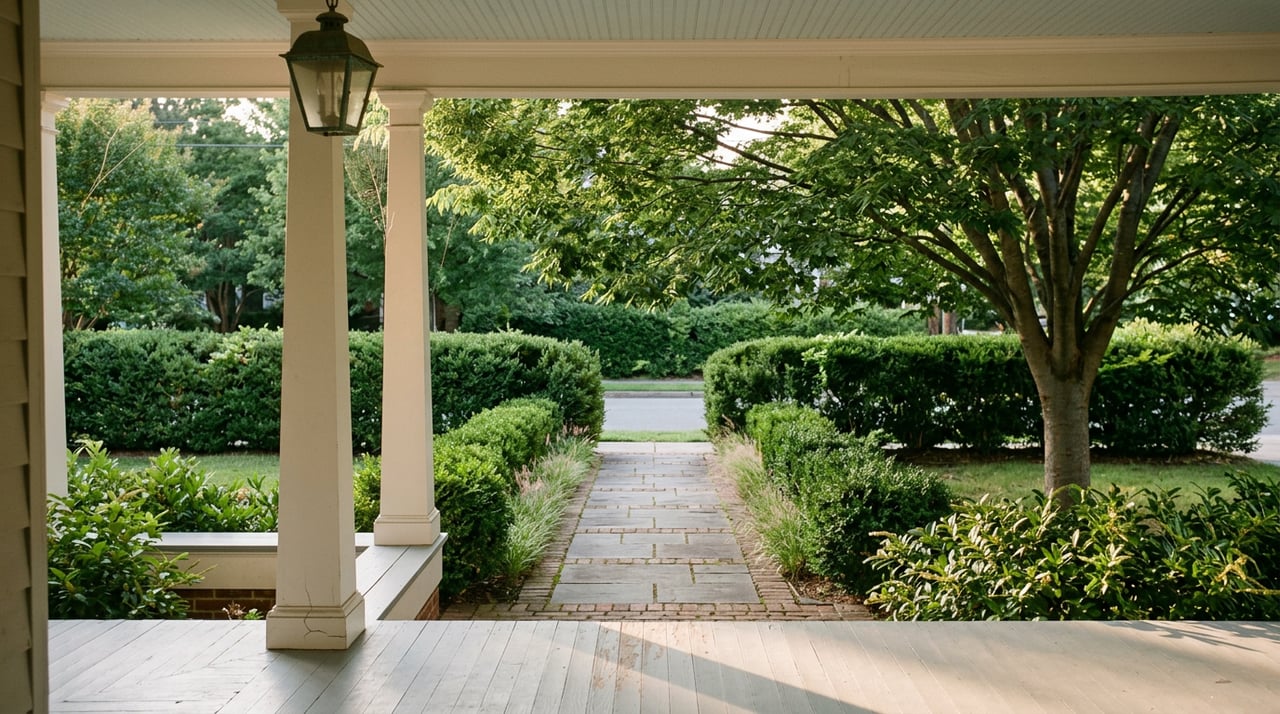
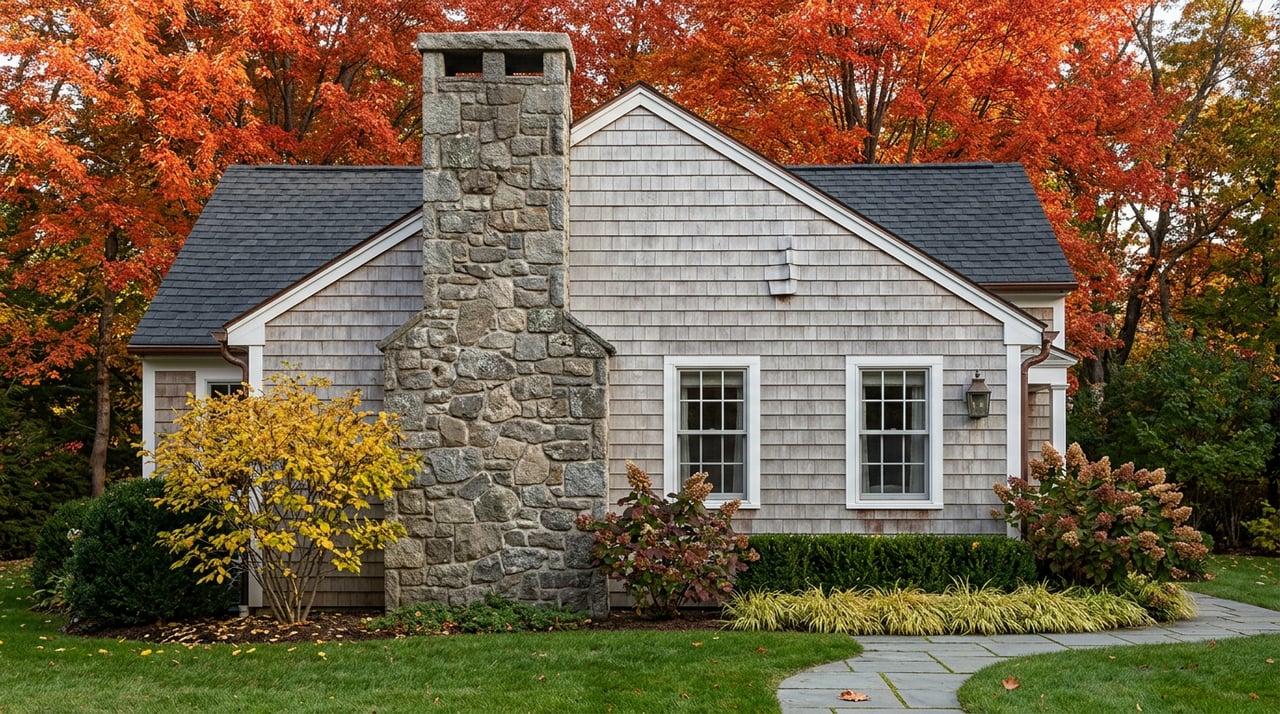
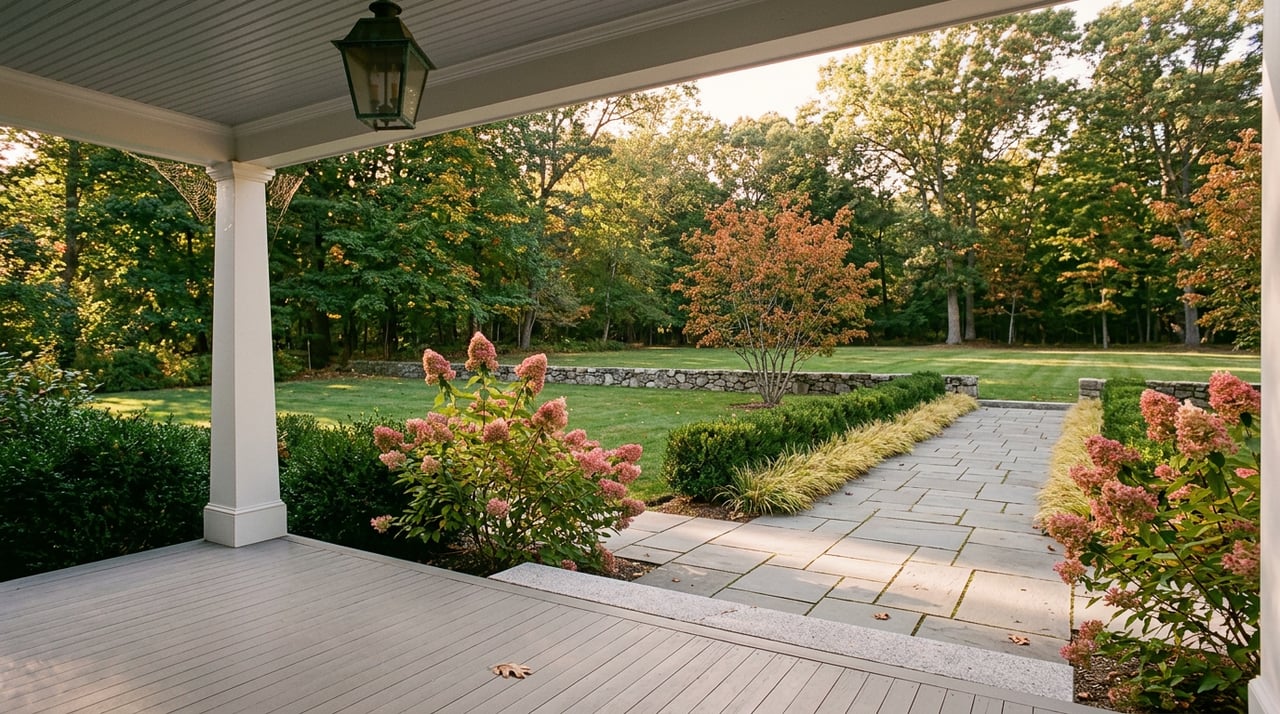
First impressions start outside. Power-wash walkways and driveways, touch up the front door, polish hardware and house numbers, and clean every window. For Colonials, keep plantings balanced to reinforce symmetry rather than compete with it.
Inside the entry, restraint wins. A simple console, mirror, and one focal accessory is enough. You want the center hall and staircase to carry the eye into the home.
Foyer and main stair
Highlight woodwork and height. Use a runner and a scaled light fixture that matches ceiling volume. Clean and condition the banister so it reads as a feature. Ensure sightlines into living and dining spaces are open from the entry.
Room-by-Room Staging Playbook
Living room / formal parlor
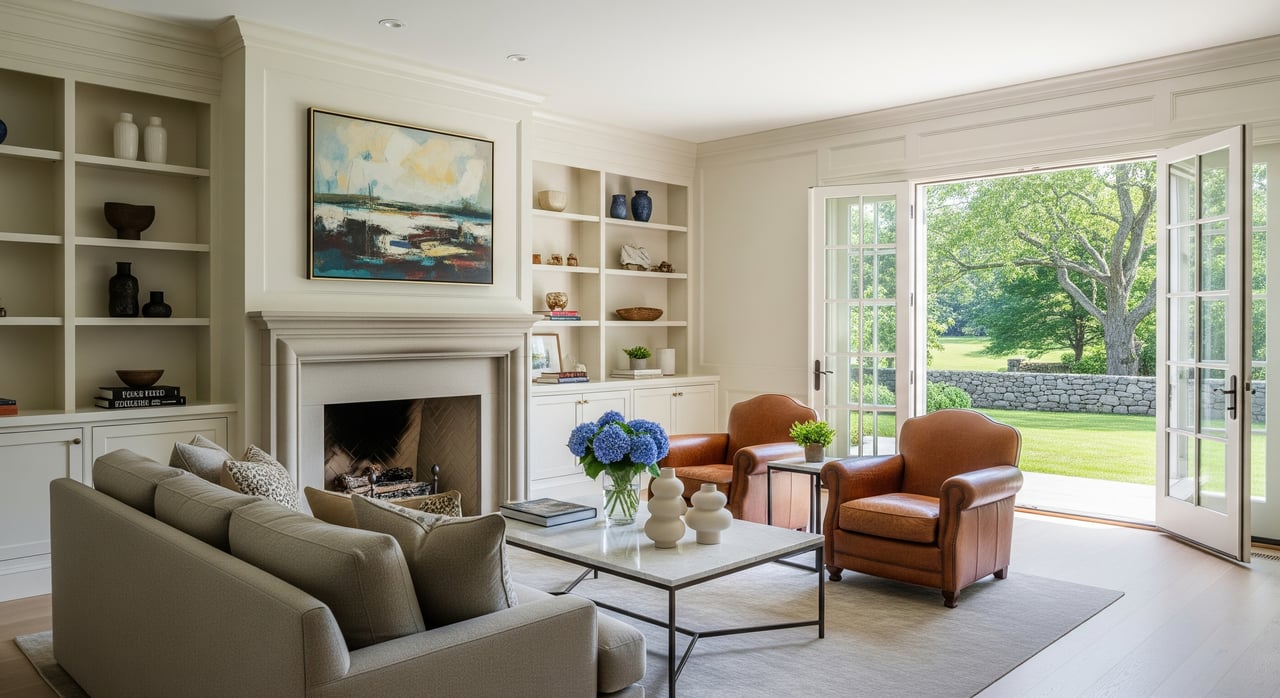
Show both entertaining and relaxation. Anchor seating on a properly sized rug and create a conversational grouping around the fireplace or focal wall. Keep art proportionate so it complements moldings and mantels. Symmetry (matching lamps or flanking chairs) supports classic Dover architecture without feeling staged.
Dining room
Convey scale without clutter. A runner and simple centerpiece are enough. A sideboard or bar cart suggests hospitality without overwhelming the room. Confirm chandelier height and consistent, warm lighting.
Kitchen
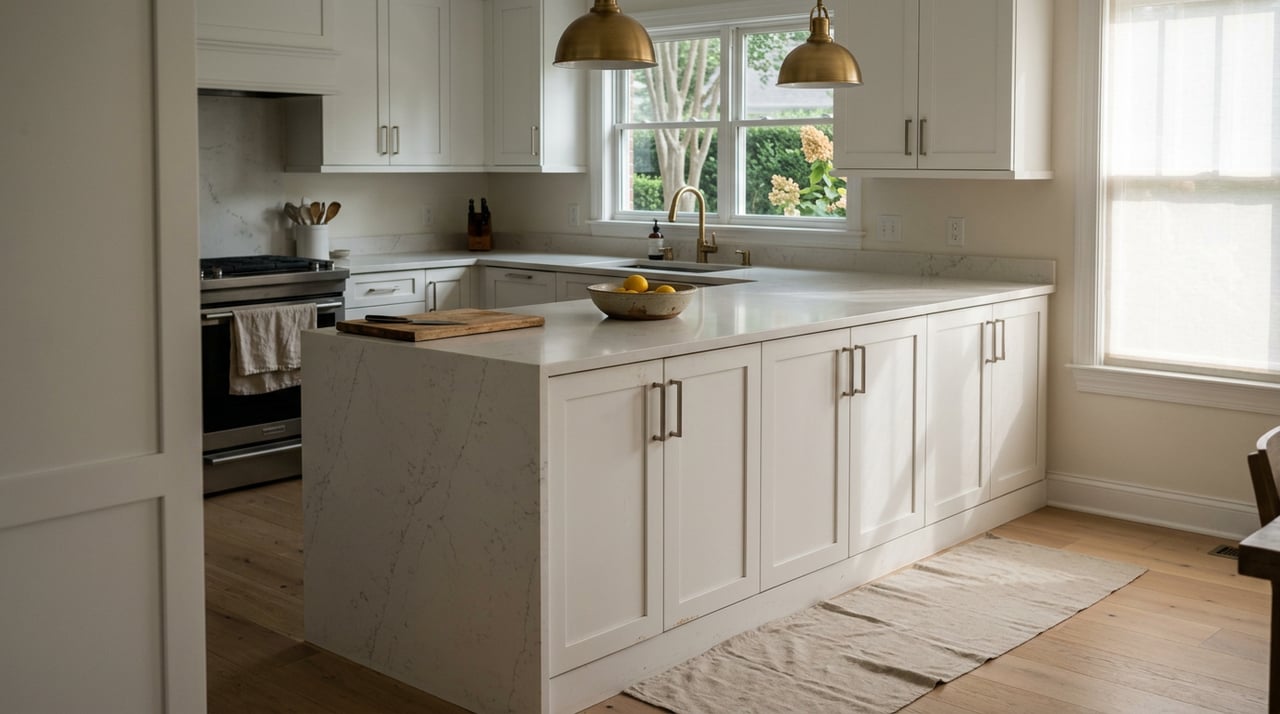
Make function obvious. Clear counters, tidy pantry areas, and remove magnets and notes. If you have professional-grade appliances, keep them spotless and let them speak for themselves.
Family room / great room
Create an inviting everyday hub. Define zones with rugs and ottomans, and layer lighting for TV and reading. If doors open to a terrace or deck, stage that outdoor space so indoor-outdoor living reads instantly.
Home office / library
Signal productive flexibility. A scaled desk, a comfortable chair, and a tasteful lamp are enough. Manage cords and add a curated selection of books. If space allows, a second work surface quietly communicates hybrid-work readiness.
Primary suite
Aim for calm and luxurious. Layer bedding, clear nightstands, and add a bench or reading chair if scale allows. Keep the ensuite visible so buyers experience the suite as a cohesive retreat.
Bathrooms and powder rooms
Spotless wins. Use fresh neutral towels, clear counters, minimal accessories, and pristine glass and grout. If dated hardware can be swapped easily, it’s often worth it.
Guest rooms and children’s rooms
Show versatility. Stage one spare room as a guest space and consider presenting another as an office or nursery. Keep colors neutral and remove personal photos so buyers stay focused on the home.
Lower level, gym, and theater
Define purpose by zone. Create areas for media, exercise, and play so buyers understand the extra square footage. Keep storage neat and make mechanical rooms tidy and well lit.
Mudroom, laundry, and garage
Signal organization. Use labeled bins and hooks, keep surfaces clear, and remove excess items from the garage so the full square footage reads.
Lighting, Scale, and Flow
Lighting is a quiet advantage. Maximize natural light by removing heavy drapes and cleaning windows. Layer ambient, task, and accent lighting, and use warm-to-neutral LED bulbs (about 2700K to 3000K) that flatter wood tones and traditional finishes common in Dover homes.
Scale matters in luxury rooms. Larger spaces need properly sized rugs, coffee tables, and fixtures to feel proportionate. Keep circulation paths clear and preserve sightlines to key features like fireplaces, staircases, and garden views.
Spring-Specific Touches for 02030
Spring curb appeal matters in Dover. Refresh beds with mulch, plant early bulbs and seasonal containers, pressure wash winter grime, clean gutters, and touch up trim. Edge pathways for crisp lines and reseed bare spots.
Plan to finish exterior work one to two weeks before photos. New England weather is unpredictable, so containers and fresh mulch create instant impact even if trees aren’t leafed out yet. Confirm exterior lighting works for twilight photography and evening showings.
Professional Media That Sells the Story
Staging creates the product. Media creates demand.
Professional photos with accurate color and straight verticals drive clicks and showings. Twilight exteriors add emotion for luxury properties, and aerial imagery is essential for estates on larger lots.
Cinematic video walkthroughs show the lifestyle story—arrival, flow, and indoor-outdoor living. 3D tours and floor plans reduce friction for serious buyers and their agents before they step inside.
Essential deliverables
- HDR interior and exterior photos
- Twilight exterior photography
- Drone imagery for scale and lot context
- A 60 to 120 second lifestyle video
- A 3D tour and downloadable floor plan
- Web-ready and print-ready image sets
Scope, Costs, and ROI
Decide on scope early. Partial staging focuses on high-impact rooms (entry, main living areas, kitchen, dining, primary suite, and key outdoor spaces). Full staging is often best for vacant luxury homes where scale and purpose need to be obvious.
Costs vary by property size and rental duration, but the most effective approach treats staging as a marketing investment. Homes that present better online typically attract stronger attention faster—which matters in a competitive spring season.
A Simple Timeline to Listing Day
- 6 to 8 weeks out: Confirm pricing posture, get a staging estimate, and plan minor repairs or paint.
- 3 to 4 weeks out: Schedule landscaping and staging. Deep clean and start packing excess items.
- 1 to 2 weeks out: Finish exterior refresh, then complete photography, drone, and 3D capture.
- Listing week: Set lights and temperature, close cabinet doors, clear surfaces, and maintain presentation through peak showings.
If you want a staging and media plan tailored to your home’s architecture—and executed with the kind of cinematic marketing that performs in Dover’s luxury segment—I’m always open to a clear, pressure-free conversation.
The Walsh Team - William Raveis Real Estate