How We Sold 35 Marlyn Road, And Helped a Medfield Family Make Their Next Move
Behind the preparation, pricing strategy, market response, multiple offers and coordination involved in selling one family home while buying the next.

The Walsh Team at William Raveis Real Estate
When my clients first started talking about moving, the problem wasn't that they didn't like their house. It was almost the opposite.
They had raised their kids there. They had renovated it, expanded it, built a pool and created a backyard they loved. They liked their neighborhood. They loved Medfield.
They had just outgrown the house.
And that's where a move like this gets complicated.
Moving from one home into a larger, more expensive home isn't simply a question of finding something better. You have to understand what your current home is really worth, determine when to sell, figure out when to buy, coordinate two transactions and get comfortable leaving a house that has been a huge part of your family's life.
That's really where the story of 35 Marlyn Road begins.
The Sale Started Long Before We Put the House on the Market
One of the biggest misconceptions about selling a home is that the process begins when the photographer arrives or the listing hits MLS.
I think it should start much earlier.
Before listing, I want to walk through the property and look at it through a buyer's eyes. What needs to be repaired? What should be painted? What should be removed? What should stay? Does the landscaping need attention? Are there projects worth completing before we sell — and just as importantly, which projects aren't worth spending money on?
Then we have staging, photography, video, drone work, floor plans, timing and the actual launch strategy.
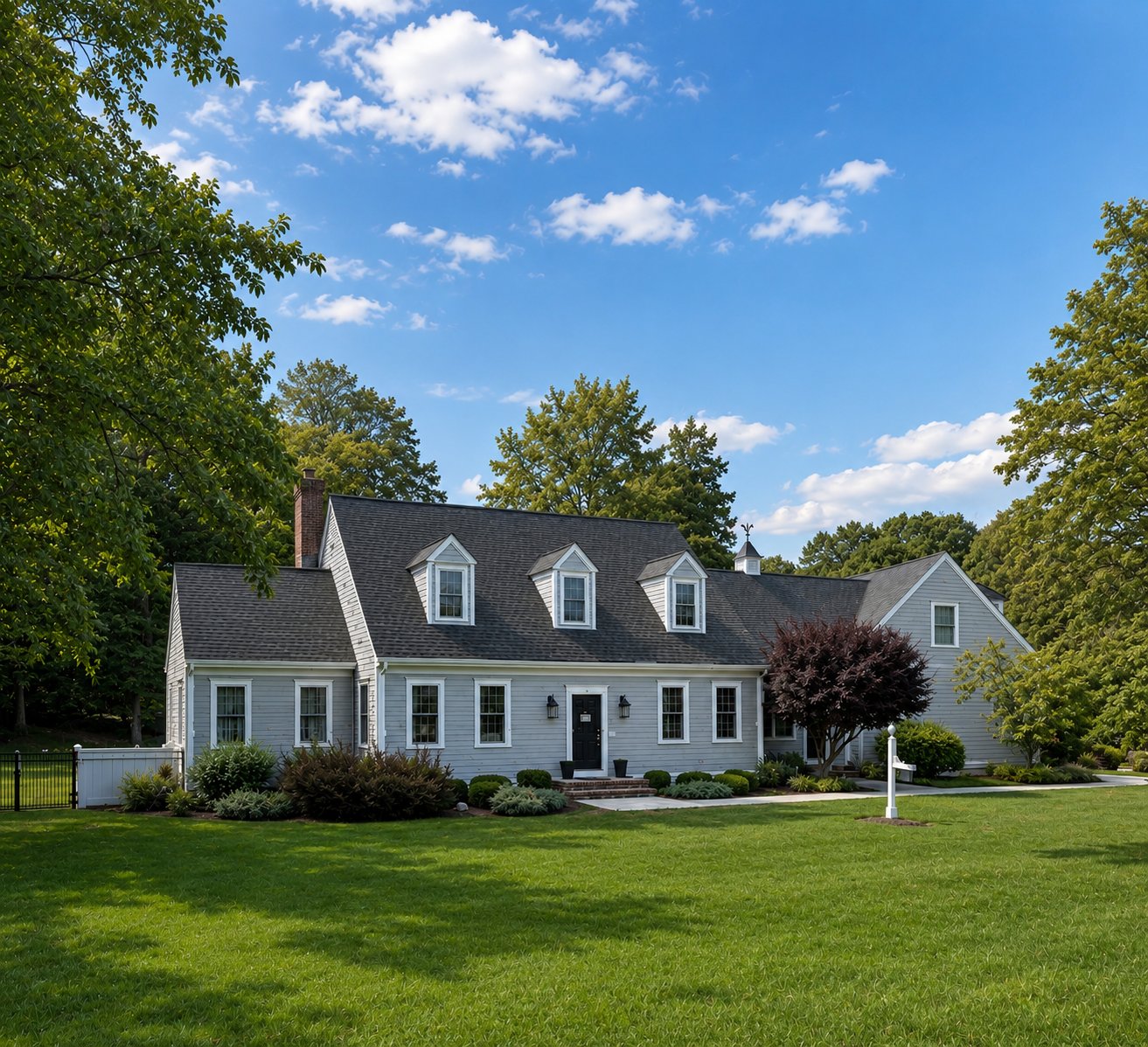
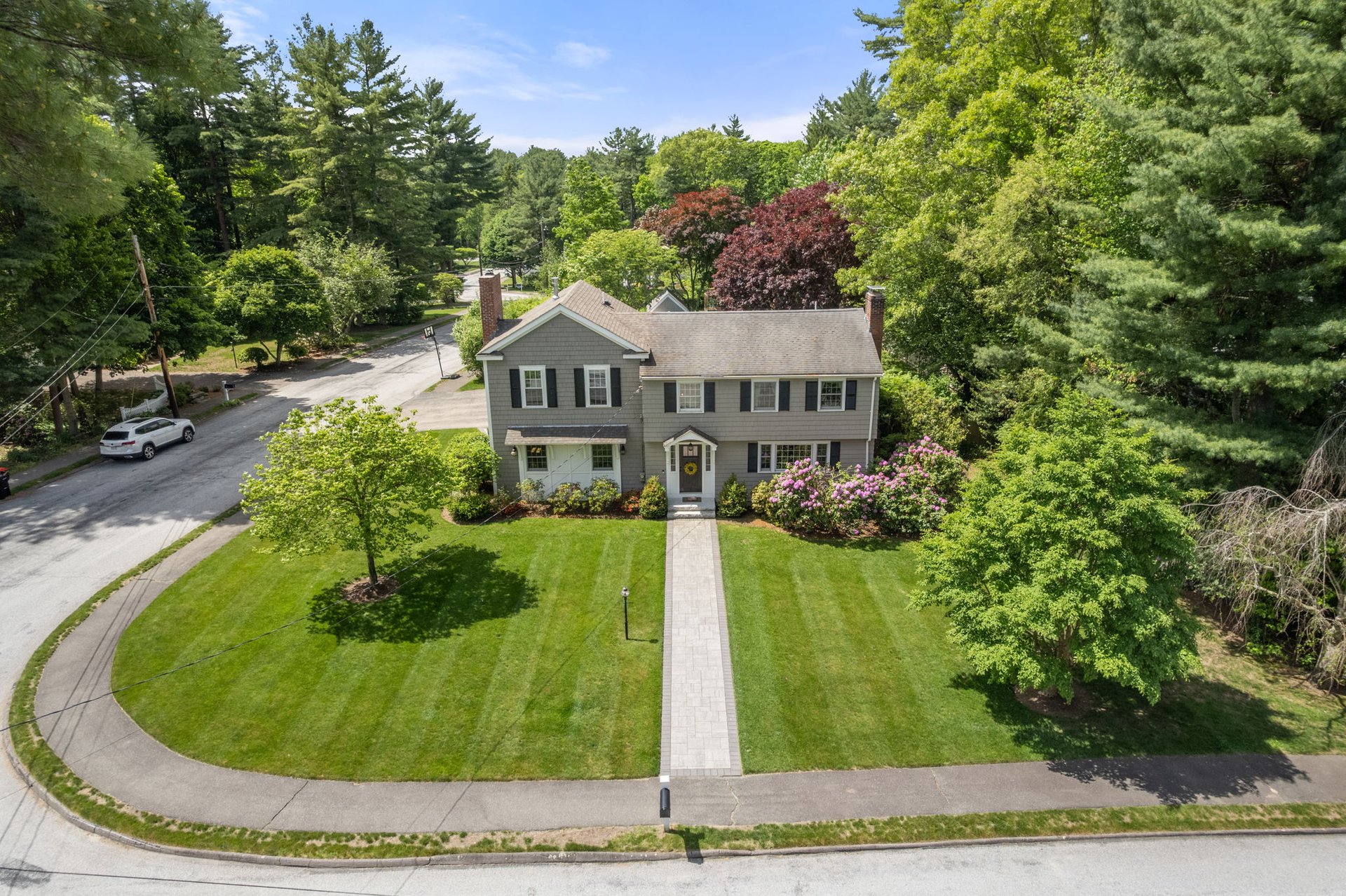
35 Marlyn was already a terrific property, and the owners had invested significantly in it over the years.
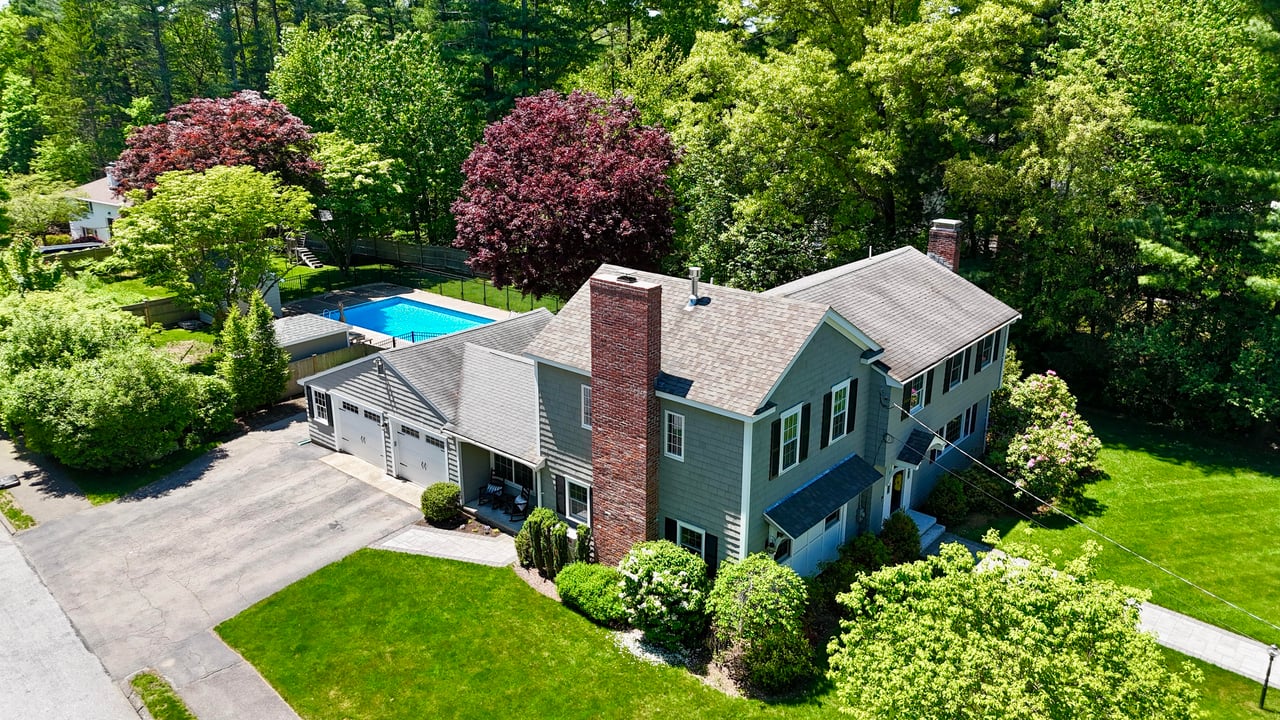
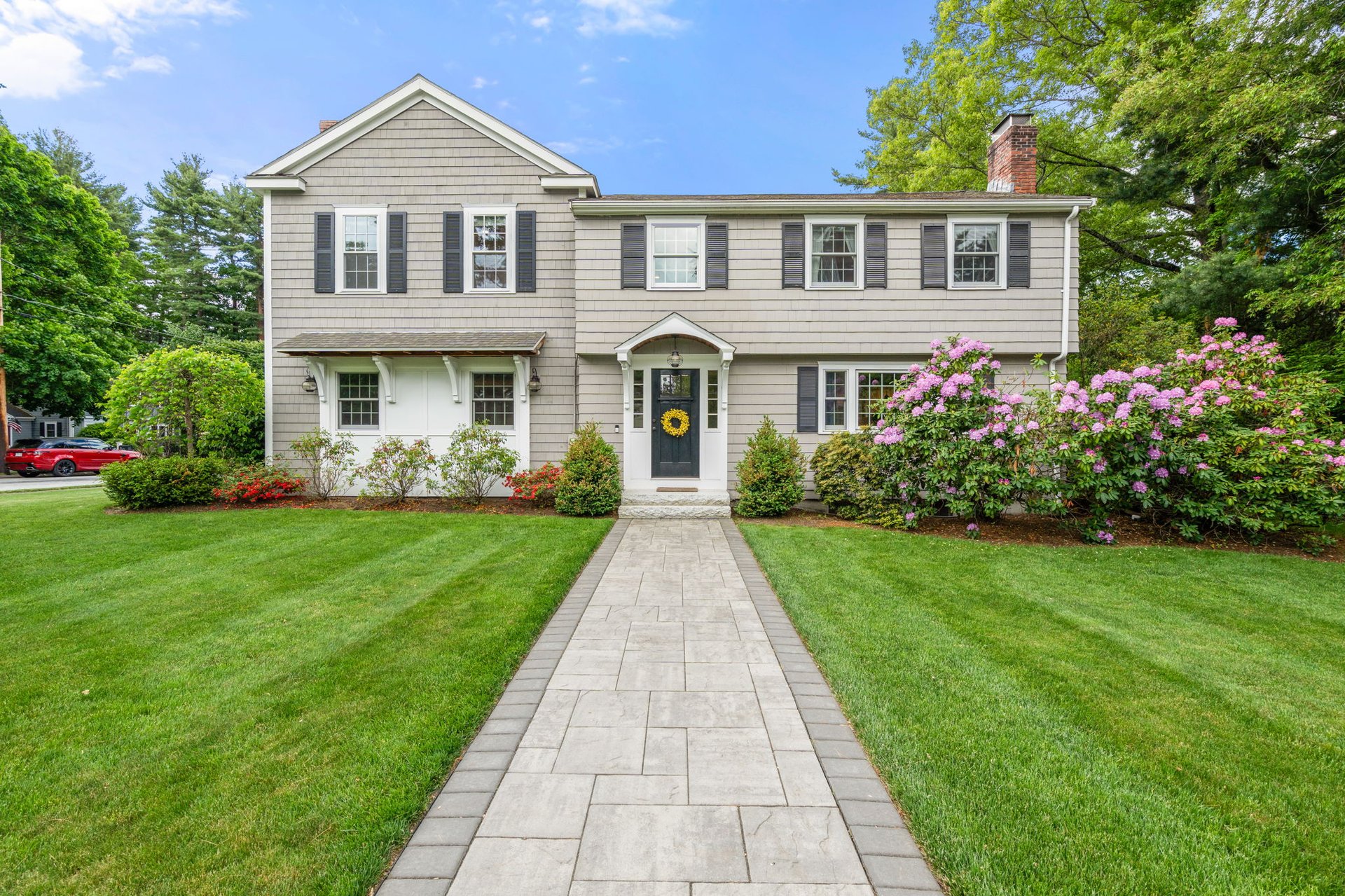
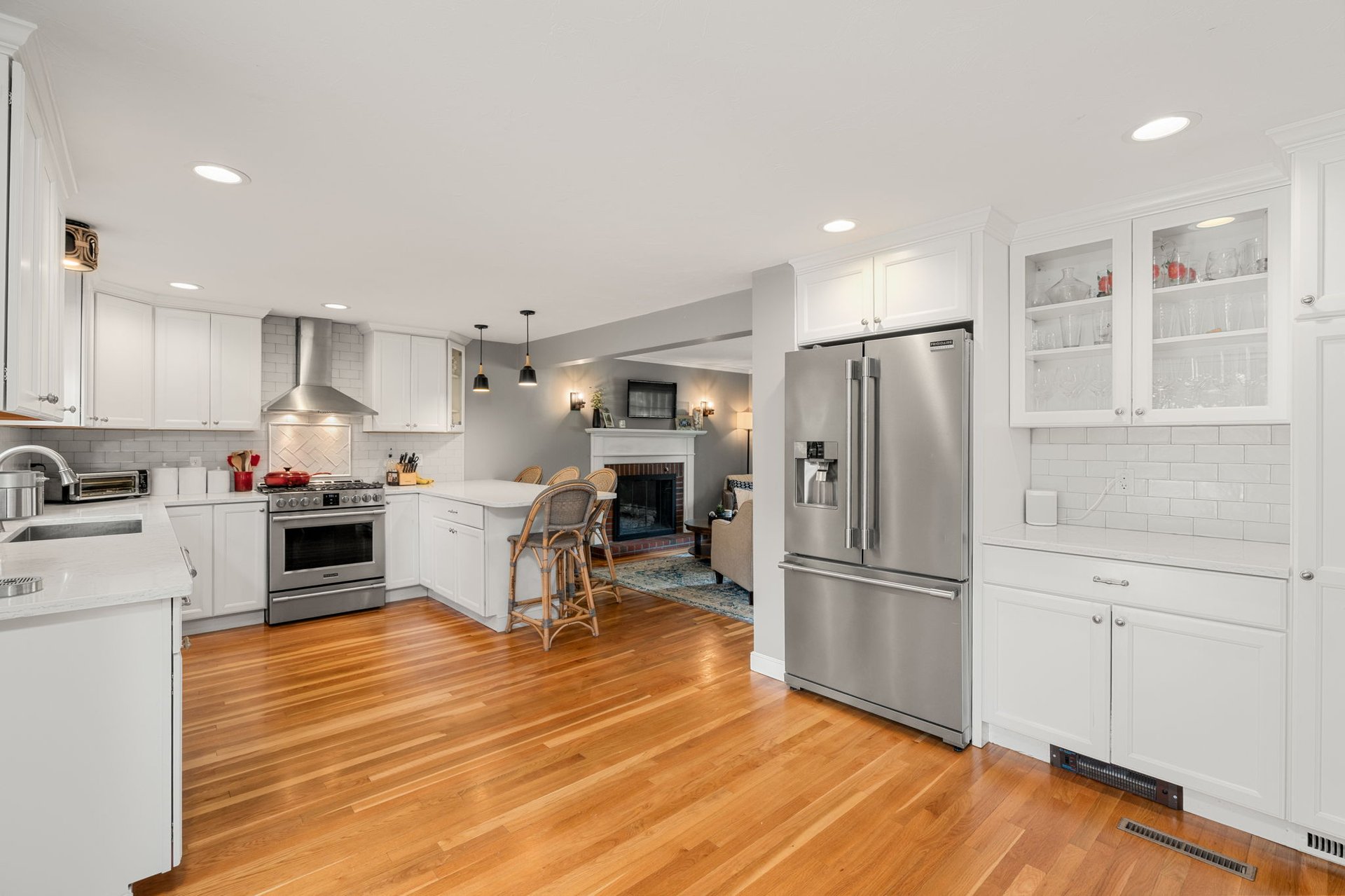
The home had been expanded and substantially renovated, with approximately 2,700 square feet of finished living space, four bedrooms and 2.5 baths. The improvements created better everyday living space and gave the house features and functionality that weren't necessarily reflected by simply looking at its original square footage.
We Weren't Just Selling Square Footage
The biggest differentiator at Marlyn was outside.
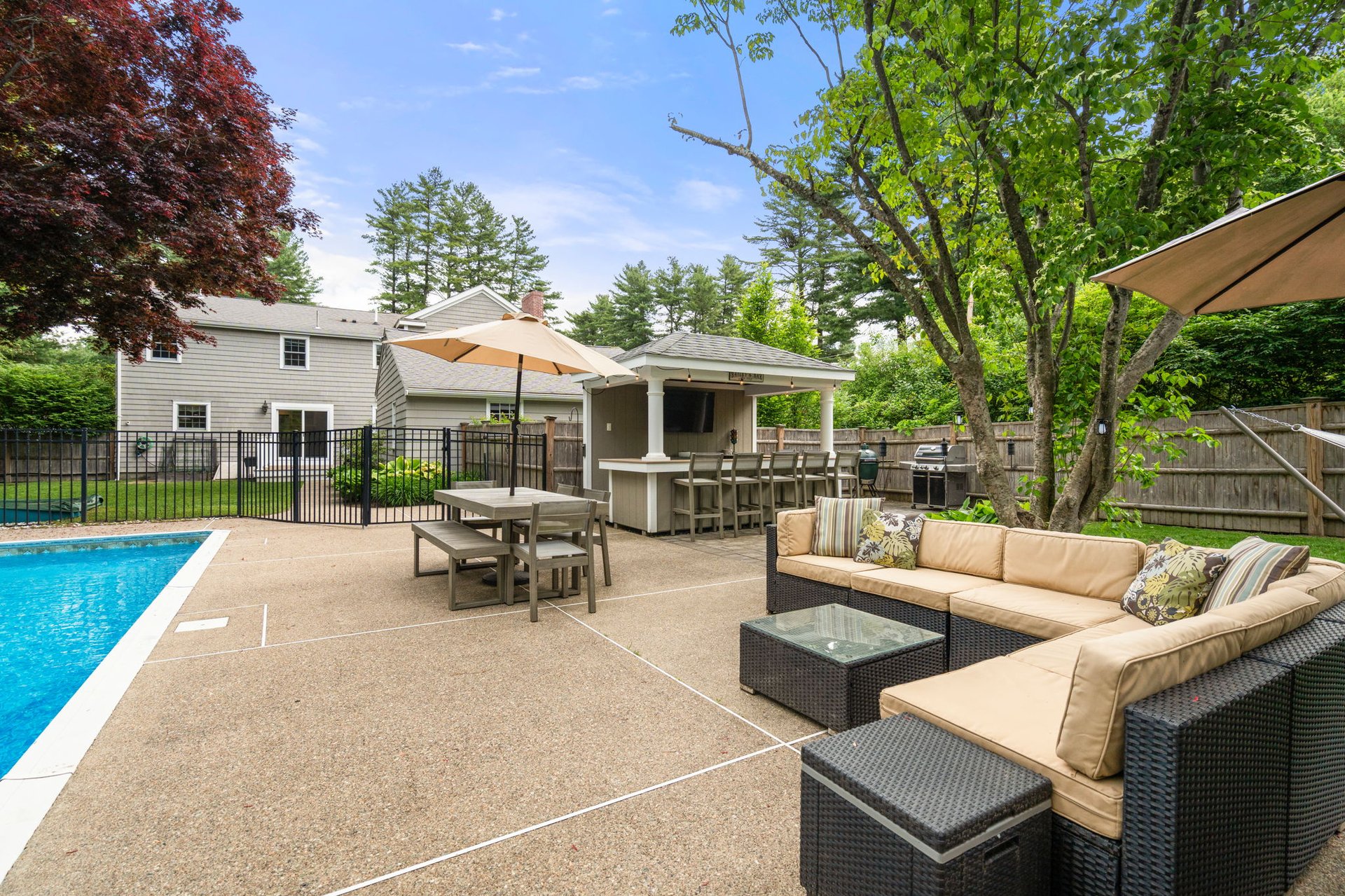
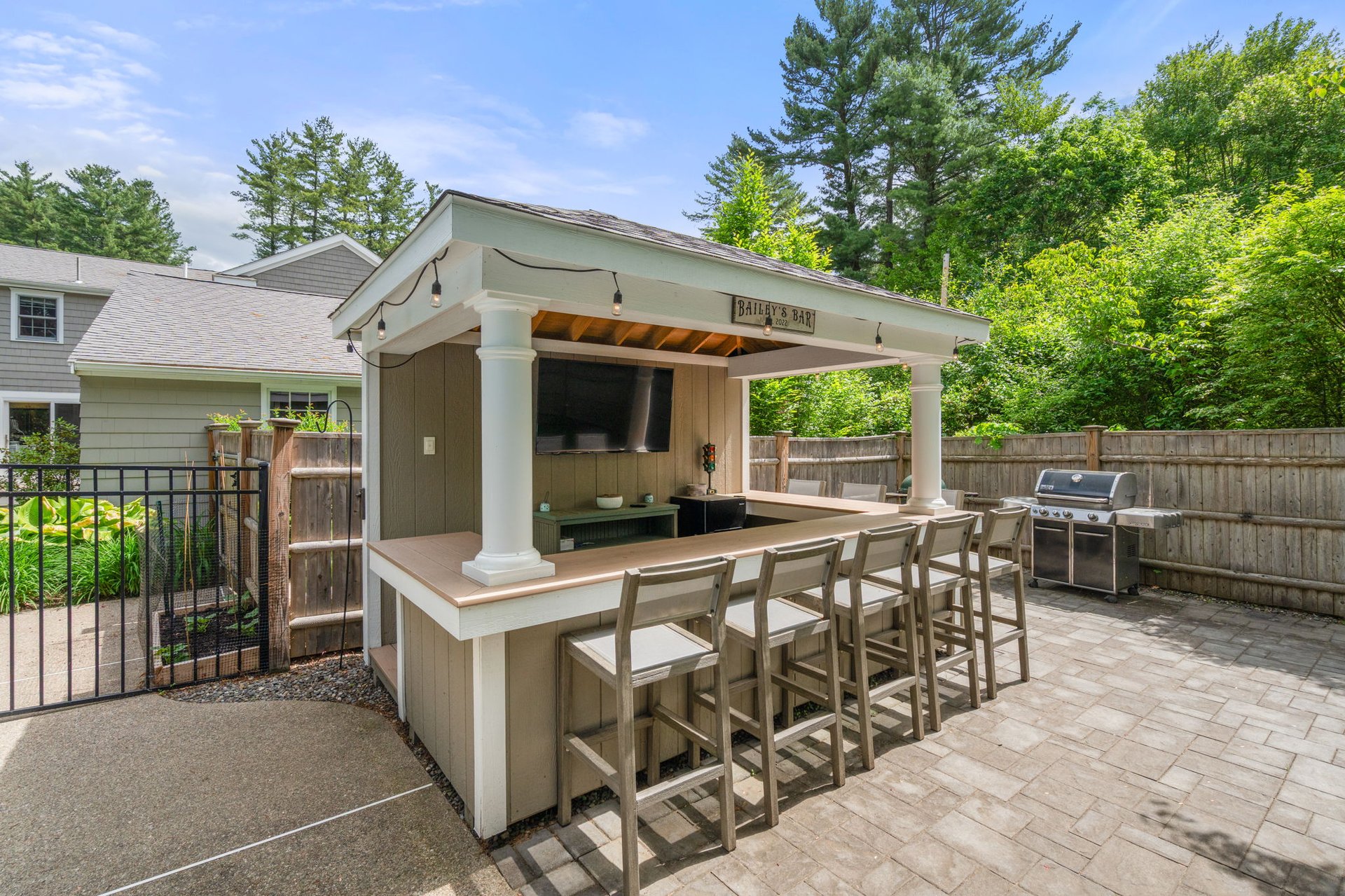
This wasn't simply a house that happened to have a pool. The mahogany deck, expansive patio, pool, poolside bar, landscaping, garden and treehouse created an entire outdoor living environment.
A buyer needed to understand what summer looked like here — kids in the pool, friends around the bar, dinner outside, and a backyard that essentially functioned as another living space.
We weren't just selling square footage. We were selling how someone could live here.
Then Came the Hard Question: What Was It Worth?
This was probably the most interesting part of the transaction.
My market analysis was pointing toward a value around $1.35 million.
But pricing 35 Marlyn wasn't as easy as finding three nearby sales and calculating an average price per square foot.
Some competing homes were larger but needed updating. Others didn't have a pool. Some had inferior locations. At the same time, buyers approaching the mid-$1 million range suddenly had other choices — including larger properties with different floor plans and amenities.
I even considered an aggressive strategy around $1.295 million.
The theory was simple: create an obvious value proposition, drive a huge number of buyers through the property and potentially generate a bidding war.
But there's a risk in trying to manufacture a bidding war:
Ultimately, we chose $1,395,000.
It gave the improvements, condition and outdoor lifestyle an opportunity to command a premium while still positioning us below the psychologically important $1.4 million mark.
Then we let the buyers tell us what the house was worth.
What Happened When We Hit the Market
The response was immediate.
In just under two days, Zillow was showing approximately 850 views and 51 saves.
More important to me, however, were the three buyers who requested private showings before the weekend.
Online views tell you people are looking. Saves indicate interest. But someone trying to get into a property before everyone else tells me they're moving from browsing to taking action.
Rather than allowing the launch to turn into a slow trickle of individual appointments, we concentrated most of the activity around the weekend.
Saturday brought roughly eight groups through the open house. Sunday brought approximately another ten.
By Sunday night, we had what we wanted:
Real buyer activity. Competition. And three offers to evaluate.
Three Offers — And They Weren't All the Same
This is where selling a house gets more complicated than simply asking, "Which buyer offered the most?"
We had three competing offers with different prices, financing structures, inspection terms and transaction costs.
One was $1.35 million cash with a $15,000 inspection threshold.
Another was $1.325 million with 80% financing and a much lower $3,000 inspection threshold.
A third was approximately $1.3095 million cash, but with different inspection and commission terms.
We went back to the buyers for best and final.
At this stage my job changes from marketing to risk analysis.
What's the seller's actual net? How strong is the financing? Is there an appraisal concern? What does the inspection language really allow? What are the closing dates? How much certainty does a cash offer provide?
And in this transaction there was another very important question:
How does the offer we accept affect the house my clients are buying?
Selling One Home While Buying the Next
My clients weren't simply selling and walking away with the proceeds.
They were purchasing another home here in Medfield, and I was representing them on that side of the transaction as well.
That meant I couldn't look at these as two independent transactions.
It was one move.
The sale affected the purchase. The purchase affected the timing of the sale. Financing, deposits, inspections, attorneys, movers and closing dates all had to work together.
And underneath all of those logistics was something that doesn't appear on a spreadsheet:
Emotion.
They were leaving the home where they had raised their younger children.
There's comfort in a house like that. You know every room. You know the neighborhood. You've made memories there. You've probably spent years making the house exactly the way you wanted it.
Even when you know you've outgrown it, leaving isn't automatically easy.
Now add the financial side. You're selling a home you're comfortable in and stepping into a substantially larger investment.
I've seen this with move-up buyers many times.
Part of my job is understanding both sides of that equation.
The Result
We accepted an offer in June.
The final sale price was essentially where my original market analysis had pointed us: approximately $1.35 million.
But the process gave us something a spreadsheet couldn't.
Actual market validation.
And the best part of the transaction wasn't the number.
On August 6, my clients sold 35 Marlyn Road and closed on their next Medfield home.
One chapter ended. The next one started.
What This Sale Taught Us About Pricing in Medfield
There is a tendency in a low-inventory market to assume every good house will automatically produce a huge bidding war.
It doesn't always work that way.
Different price points have different buyer pools.
Around $1.2 million, you may have buyers stretching upward. As you move through $1.4 million and toward $1.5 million, those buyers begin comparing your home with an entirely different group of properties.
That's why pricing strategy can't simply be:
"Inventory is low, so let's ask whatever we want."
And it can't automatically be:
"Price it low and we'll get ten offers."
Sometimes that strategy works spectacularly. Sometimes it doesn't.
The goal is to understand exactly where a property fits, create urgency without unnecessarily giving away leverage and then listen carefully to what the market tells you.
The Work Doesn't Stop When an Offer Is Accepted
Getting an offer signed isn't the finish line.
There was still an inspection, agreed-upon repairs, attorneys, financing deadlines, closing coordination and the logistics involved in moving from one property into another.
This may be the least glamorous part of real estate marketing, but it's probably one of the most important parts of representing a seller.
Thinking About Selling Your Medfield Home?
Don't start with Zillow.
Don't start by asking what your neighbor's house sold for.
And don't start by deciding what you "need" to get for the house.
Start with a plan.
I'd rather meet with someone months before they intend to sell than a week before they want the photographer there.
Let's walk through the house. Let's identify what matters and what doesn't. Let's look at the competition. Let's talk about timing. Let's determine what buyers are actually paying a premium for.
And if you're also buying another house, let's map that out at the same time.
Because sometimes the most important question isn't:
"How much can I sell my house for?"
It's:
"How do I get from this house to the next one?"
That's really what the 35 Marlyn Road transaction was about.
My clients didn't want to leave Medfield or completely change the life they'd built here.
They simply needed a house that better fit where their family was going next.
We prepared their home. We studied the market. We positioned it. We launched it. We generated multiple offers. We negotiated the terms. We coordinated the sale with their purchase and managed both transactions through closing.
Same town. More space. Next chapter.
Team Leader, The Walsh Team
William Raveis Real Estate
508-341-4904
[email protected]
walshteam.com