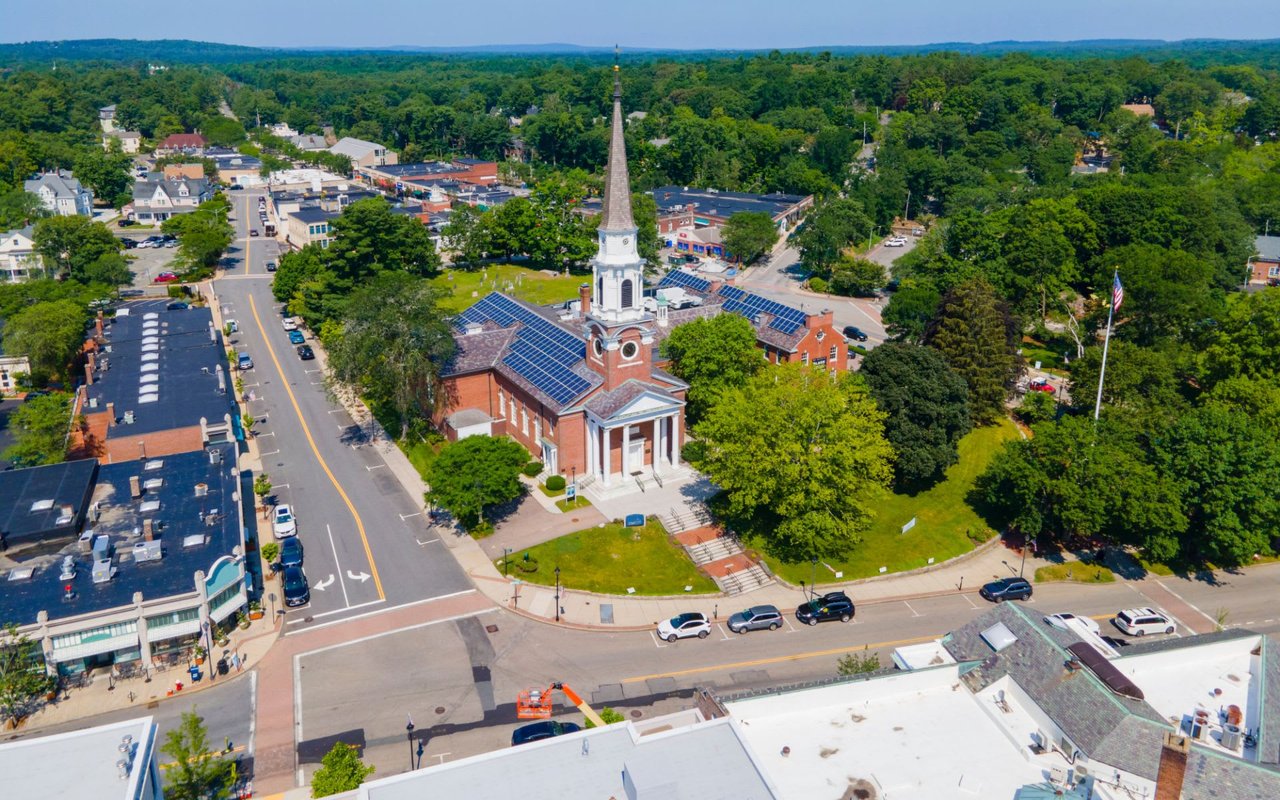
Living Near Wellesley’s Town Centers: An Insider’s Guide to Daily Life
Wellesley Square, Linden Square, or Wellesley Hills? Here’s how each one actually feels day-to-day—errands, coffee runs, commuting, schools, and the real trade-offs buyers care about.
When buyers tell me they’re considering Wellesley, the conversation usually starts with schools, commute, and “what kind of house can we get.”
But the best decisions usually come from a different question: Where will daily life actually feel easiest?
Wellesley has three town centers people talk about most—Wellesley Square, Linden Square, and Wellesley Hills. They’re close geographically, but they create totally different routines. Below is the real-world version: how each one feels, what buyers ask me after showings, and the trade-offs that matter once you’re living there.
- Wellesley Square = the most energy, restaurants, and civic convenience.
- Linden Square = boutique, calm, efficient—great “easy errands” lifestyle.
- Wellesley Hills = quieter village feel with strong commuter-rail practicality.
- Choosing the right center is less about prestige and more about your routines.
Wellesley Square: Central, Active, and Civic
Wellesley Square is the heart of town. It’s where you feel the most movement—commuters, students, meetings, weekend errands, dinners. If you like being near “everything,” this is the easiest place to live without constantly planning your day around driving.
The upside is obvious: it’s the most walkable and has the broadest mix of services and restaurants. The trade-off is pace—this area feels busier than the others.
How it feels day-to-day
- Walkability is the biggest advantage: coffee, errands, and dinner can be handled quickly.
- It’s the most “public” center—more foot traffic, more activity, more visibility.
- Convenience wins if you commute or value short trips for everyday needs.
Food + coffee (what buyers ask me for)
I’m not trying to turn this into a restaurant list, but buyers always want to picture their routines. Wellesley Square is where the widest selection lives—from casual to date night.
- Date night / dinner energy: consistent crowd, lots of options, easy to meet friends after work.
- Quick bites / lunches: simple to grab something without making it an event.
- Coffee runs: plenty of morning options and “walk-and-go” routines.
What I tell clients“If you want options and activity without getting in your car, the Square is the easiest version of Wellesley.”
Linden Square: Boutique, Calm, and Efficient
Linden Square is the “quiet confidence” center. It’s compact, polished, and designed for quick errands without the busier feel of the Square.
This is the area where buyers often say, “I didn’t realize I’d like this more.” Especially for people who want convenience but don’t want constant activity.
How it feels day-to-day
- Park once, handle what you need, and you’re done.
- Lower stress—it rarely feels chaotic, even on weekends.
- Great for routines: coffee meetups, quick shopping, short stops.
Wellesley Hills: Neighborhood Main Street + Commuter Practicality
Wellesley Hills is the center I think more buyers should explore early. It has a true neighborhood vibe—local shops, straightforward errands, and commuter rail access—without the constant bustle.
If you’re commuting into Boston, being close to the platform can be a real quality-of-life upgrade. Clients often underestimate that until they’re living it.
How it feels day-to-day
- Calmer pace than the Square, with real residential quiet nearby.
- Commuter-friendly if rail is part of your weekly rhythm.
- Local utility: it’s less “destination,” more “this is where life happens.”
Schools & Family Routines: What Families Actually Ask
Wellesley’s schools are a major driver of demand. But the conversations that matter most are usually about logistics, not headlines: walkability to elementary schools, ease of drop-off, after-school activities, and how the week will feel.
School assignment maps can shift over time, so I always recommend confirming current information directly with the district. The goal isn’t to guess—it’s to make decisions with clarity.
Housing Near the Centers: What to Expect
Near all three centers, you’ll find a mix of classic Wellesley home styles—colonials, shingle-style properties, older homes with thoughtful renovations, and the occasional newer infill build.
Closer to the centers, you’ll also see condos and townhouse-style options, which can appeal to buyers who want location first and space second.
Inventory near the centers tends to be limited, and demand stays strong—especially for homes that balance walkability, commuter access, and a layout that feels “easy” for everyday living.
The Real Trade-Offs Buyers Should Consider
- Evenings: The Square has the most restaurant activity. Linden and Hills quiet down earlier.
- Parking: Linden is often simplest for quick stops. The Square can feel busier at peak times.
- Noise & pace: The Square is the most active; Hills is typically the calmest.
- Errand speed: Linden is the fastest “in-and-out” lifestyle; the Square has the widest variety.
Final Thoughts
Wellesley works because it offers choice—not just in housing, but in lifestyle. Wellesley Square is for buyers who want energy and options. Linden Square is for buyers who want convenience without noise. Wellesley Hills is for buyers who want a calmer village feel with commuter practicality.
The “right” center isn’t about prestige. It’s about matching your routines to the place that supports them.
FAQs
Which Wellesley center feels most walkable for daily errands?
Wellesley Square has the most continuous pedestrian feel. Linden Square is the most compact and efficient. Wellesley Hills is walkable and neighborhood-oriented, but with a calmer pace.
Which center is best for commuting?
If commuter rail is a major part of your routine, proximity to the platform becomes a real quality-of-life advantage. Wellesley Hills is often a strong fit for commuters who want calmer residential streets.
Which area has the best restaurant mix?
Wellesley Square generally offers the widest selection and the most evening activity. Linden Square and Wellesley Hills are quieter and more routine-oriented.
How should families think about school logistics?
Most families care about the practical rhythm—drop-off, walkability, and after-school routines. Assignment maps can change, so confirm current information directly with the district when you’re narrowing a neighborhood.
If you’re considering Wellesley, I’m happy to help you compare streets, commute realities, and the day-to-day feel—so your decision is based on real life, not guesswork.
The Walsh Team - William Raveis Real Estate
MetroWest Massachusetts