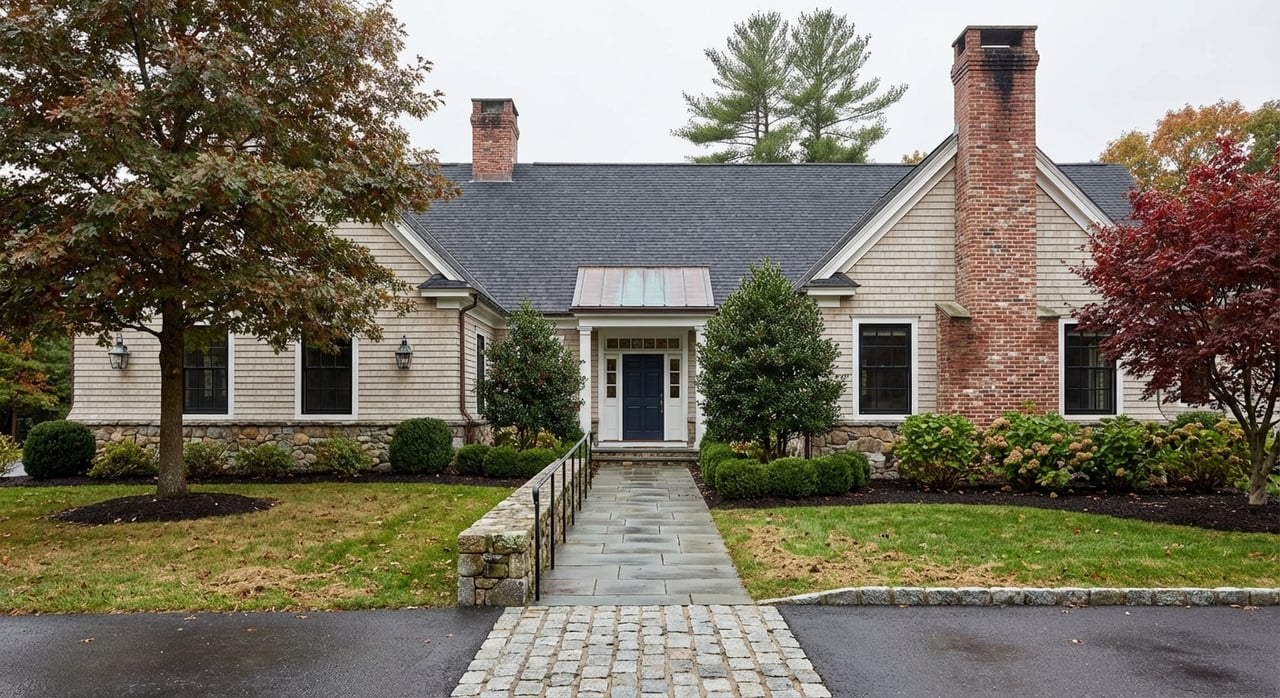
Thinking about selling your Weston estate, but not sure where to start? You’re not alone. High-end buyers in Greater Boston expect turnkey quality, smart technology, and polished storytelling that proves your home is worth its price. In this guide, you’ll learn what today’s luxury buyer values, which improvements typically pay back, and how to stage, price, and market for a premium result. Let’s dive in.
Weston buyer profile
Weston attracts an affluent, quality-focused buyer pool with strong ties to Boston and Cambridge employers. Median household income is among the highest in Massachusetts, which supports premium home values and sustained demand for top-tier homes. Census QuickFacts shows high household incomes that align with luxury purchasing power.
Buyers often balance busy professional lives with a desire for privacy, space, and convenience. Many prioritize well-regarded public schools, easy access to Boston and Kendall Square, and homes that feel move-in ready on day one.
What luxury buyers want
Turnkey condition
Today’s luxury buyers value tasteful, updated finishes more than large, speculative remodels. Clean inspections, neutral paint, fresh lighting, and consistent design language go a long way. Your goal is simple: remove reasons to hesitate so buyers can imagine moving in immediately.
Floor plan and key rooms
Expect interest in flexible rooms that support work and wellness. Two private office options are a plus. A chef-caliber kitchen, a serene primary suite with a spa-quality bath, and multiple gathering zones for entertaining all help your home compete.
Outdoor living and grounds
Buyers respond to year-round indoor-outdoor flow. Heated terraces, covered porches, outdoor kitchens, well-executed pools or spas, and layered landscape lighting all add perceived value. In New England, design for shoulder seasons so spaces feel usable beyond summer.
Technology and connectivity
Robust connectivity is no longer optional. Hardwired Ethernet in key rooms, strong Wi‑Fi coverage, integrated lighting and AV, smart security, and EV-ready garages check important boxes. These features signal that the property is future-ready.
Wellness and resilience
Home gyms, saunas or steam, spa baths, air and water filtration, and circadian lighting resonate with today’s buyers. Backup power solutions and efficient, well-documented systems make the home feel resilient and low-friction through New England weather.
Privacy and security
Gated or screened approaches, thoughtful plantings that buffer sightlines, and integrated camera and alarm systems create a sense of ease. The more seamless and architecturally integrated the security feels, the better.
High-impact improvements
National Cost vs. Value data helps you prioritize spend. Use the 2025 Cost vs. Value report as a benchmark, then adjust for Weston’s luxury context.
- Minor kitchen refresh: cabinet refinishing or refacing, counters, modest appliance updates. National data shows about 113% average cost recoup, which often outperforms a full gut.
- Deck or outdoor living upgrades: wood or composite enhancements, lighting, and simple kitchen elements often recoup about 90–95% nationally.
- Backup generator: national averages show strong recoup, plus buyers value the resilience.
- EV charger: relatively low cost with high buyer appeal.
- Solar and large-scale additions: enjoy the benefits if you plan to stay, but national averages show more modest recoup at resale for solar and lower recoup for major additions.
Your rule of thumb: choose high-visual-impact, moderate-scope projects that improve day-one livability. Avoid large custom projects unless you will personally enjoy them or they address a clear market gap.
Systems and documentation
Transparency reduces friction for high-value buyers. Commission a pre-listing inspection and compile permits, warranties, and service records into a single, polished package. The National Association of REALTORS highlights the importance of clear, buyer-ready presentation, including professional staging and high-quality visuals that help buyers visualize a home. Review NAR’s guidance on staging and presentation for practical tips.
As you prepare, confirm HVAC servicing, roof and gutter condition, electrical panel capacity, and smart-home readiness. Consider adding hardwired networking to offices and media rooms and confirming the home’s security backbone.
Presentation that sells
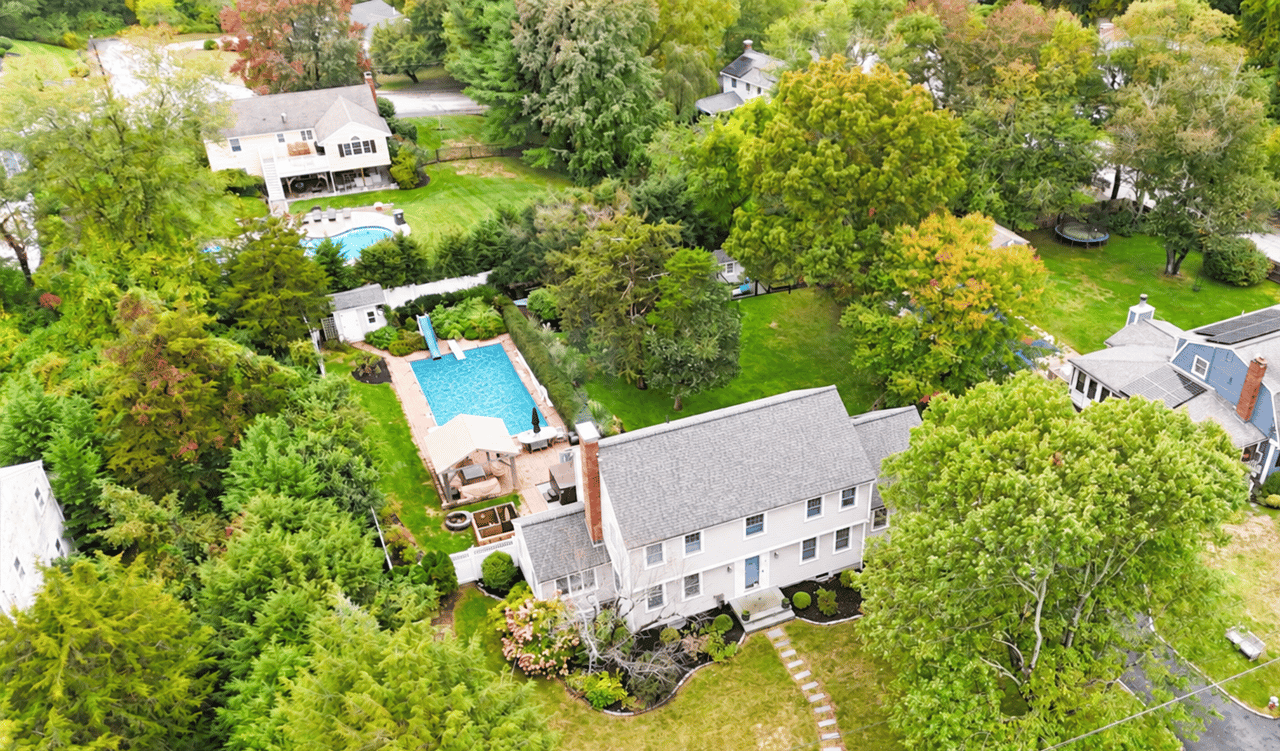
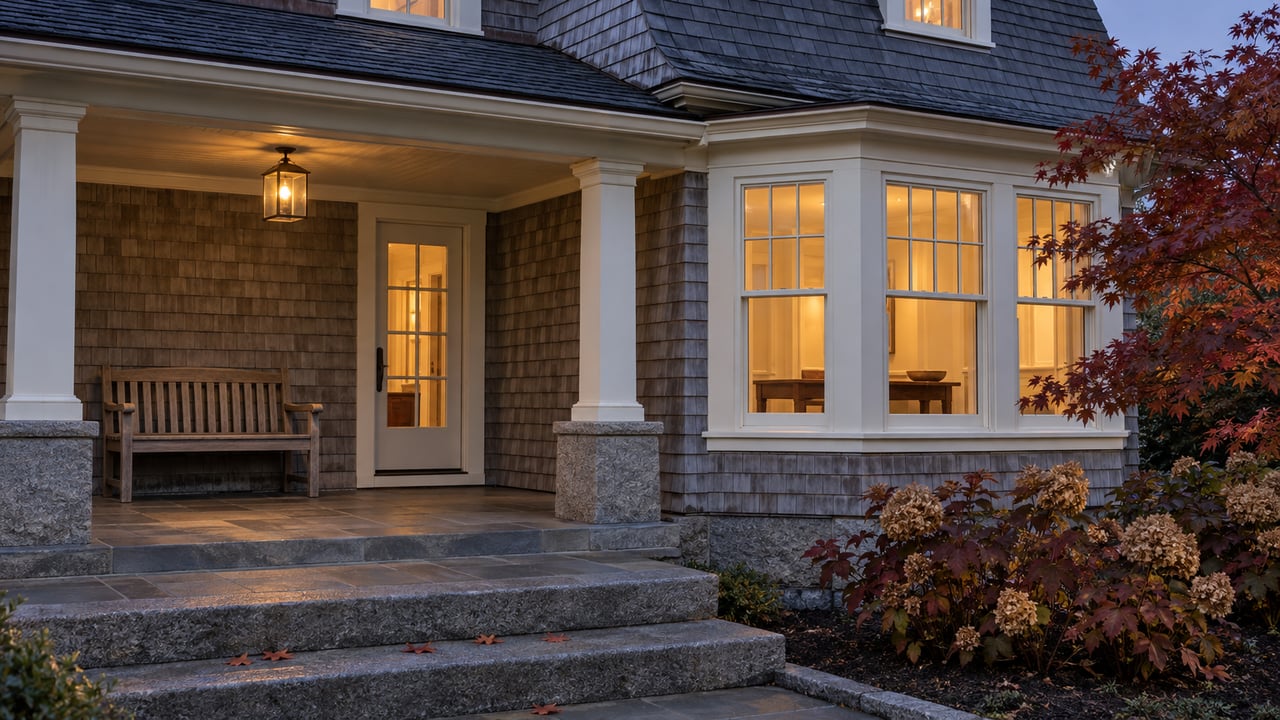
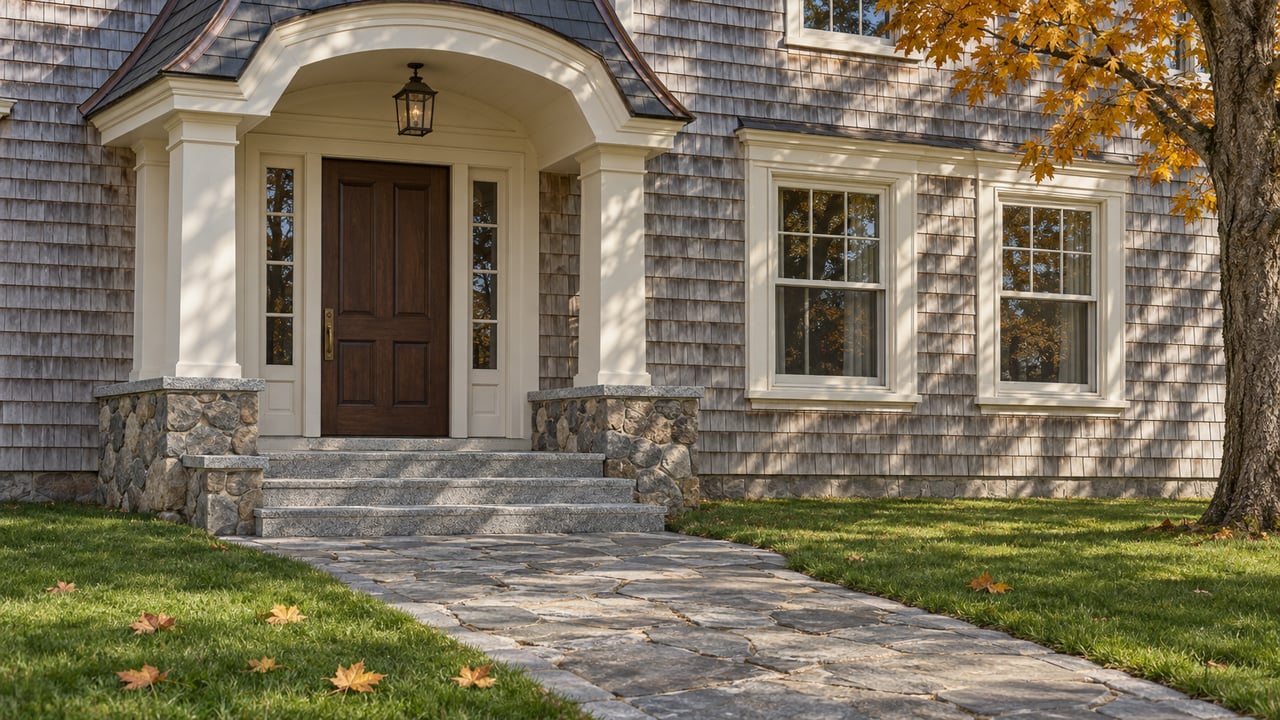
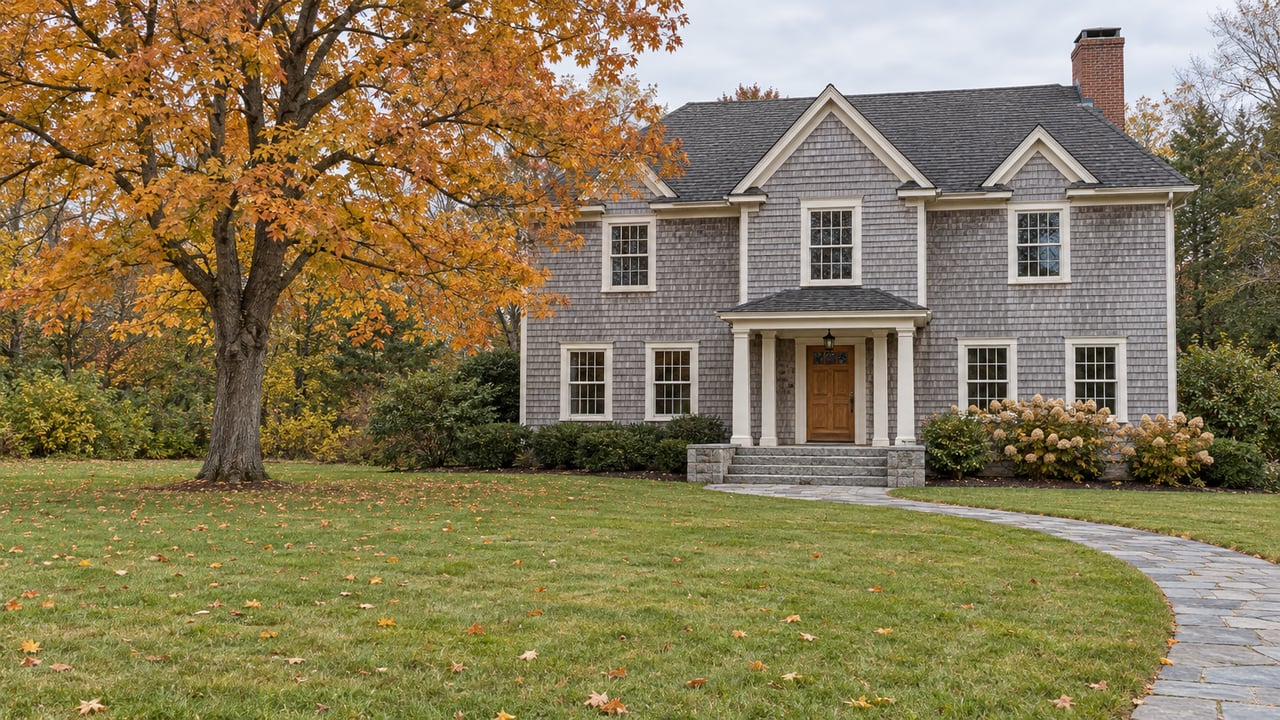
A luxury sale is a visual sale. Invest in professional staging that suits the home’s architecture and scale. Pair it with a comprehensive visual package: editorial-grade photography, twilight exteriors, drone aerials that showcase approach and acreage, and a short cinematic video.
A dedicated property page with floor plans, a features list, and system documentation helps busy buyers evaluate quickly. Staged, turnkey presentation often shortens days on market and can strengthen offers, according to NAR’s staging research.
Pricing and timing
Weston’s estate market is a small sample environment. That means precision matters. Verify comparable sales and relevant actives with your broker 30–60 days before you list so your pricing reflects the most current data.
Well-presented, accurately priced estates can attract multiple strong bidders. Overpricing can slow momentum. Align the list price with your home’s move-in readiness, amenities, privacy, and systems upgrades.
6–18 month plan
0–3 months: set the foundation
- Commission a pre-listing inspection and assemble permits, warranties, and maintenance records.
- Complete essential repairs, paint in neutral tones, deep clean, and declutter.
- Book staging, editorial photography, twilight and drone shoots, and a cinematic video.
- Confirm your pricing band and choose a public launch or quiet, broker-driven preview.
3–6 months: targeted upgrades
- Execute high-impact, limited-scope projects: minor kitchen refresh, primary bath spa updates, landscape and lighting refresh, EV charger, and a backup generator if appropriate.
- Finalize 3D tours, a property page, and polished print materials.
6–12 months: selective enhancements
- If desired, add curated amenities that match buyer demand: fitness areas, sauna or steam, built-in outdoor kitchen, or refined hardscape around an existing pool.
- Confirm that upgrades are consistent with your pricing strategy and timing.
12–18 months: major decisions
- Consider larger repositioning only if you will benefit from using it or if it meaningfully shifts the property’s segment for a later sale.
- Evaluate long-lead items like permitting or architectural plans with realistic budget and timeline expectations.
Use the Cost vs. Value benchmarks as a reality check before committing to big-ticket projects.
Strategic location messaging
Your listing narrative should meet the way buyers actually live. Highlight school convenience in neutral terms, privacy, and quick access to key job hubs. For Cambridge-area buyers, reference the proximity to Kendall Square’s innovation cluster to position commute convenience. For context on the area, visit the Kendall Square site.
Keep the feature sheet tight and readable: systems upgrades, energy or resilience features, smart-home infrastructure, floor plans, and recent improvements. Show the property in context: long driveway, approach, tree lines, and outdoor rooms.
How we position your estate
We combine neighborhood-level expertise with a premium, cinematic marketing engine so your home earns full attention and value. Our team pairs editorial photography, drone videography, and short-form film with targeted digital exposure and concierge-level coordination. With our multi-office footprint in Wellesley, Natick, and Needham, and institutional support from William Raveis, we reach the right buyers while protecting your privacy and time.
From pre-listing inspections and vendor coordination to staging, pricing, and launch strategy, we manage the details so you can focus on your move. If you’re exploring a quiet preview before going live, we can tailor a plan that fits your goals.
Ready to talk strategy for your address in Weston or the Cambridge‑Newton‑Framingham corridor? Request a complimentary consultation with The Walsh Team Partners.
FAQs
What do Weston luxury buyers value most today?
- Turnkey presentation, a flexible floor plan with private office options, a chef-level kitchen, a serene primary suite, refined outdoor living, robust smart-home systems, and privacy features.
Which pre-sale projects usually deliver the best ROI in Weston?
- Based on national benchmarks, a minor kitchen refresh, outdoor living enhancements, backup power, and EV readiness tend to perform well, while large custom additions often recoup less near-term.
How far in advance should I start preparing my estate to sell?
- Begin 6–12 months ahead for the best result. Use the first 0–3 months for inspections, repairs, and staging planning, then tackle targeted upgrades in months 3–6.
Do I need a generator or battery backup to attract premium buyers?
- You don’t need one, but backup power and resilience features are strong signals of quality and comfort in New England and are often viewed favorably at the high end.
How should I talk about schools in my listing?
- Use neutral, factual language and focus on proximity and convenience. Provide links to official district resources if requested, and let buyers conduct their own evaluations.
What pricing strategy works best for a Weston estate?
- Confirm comps 30–60 days before launch, align price with turnkey readiness and amenities, and avoid overpricing. Well-presented, accurately positioned estates tend to draw the strongest interest.