Leave a Message

Thank you for your message. We will be in touch with you shortly.

Pricing Privacy And Land When Selling In Dover

Pricing Privacy And Land When Selling In Dover

Is your Dover property’s greatest asset the privacy outside your windows rather than the paint on your walls? If you own acreage, mature trees, and a quiet setting, you already know buyers come to 02030 for space and calm. The challenge is converting those qualities into a clear, defensible list price that the right buyer will pay. In this guide, you’ll learn how buyers and appraisers value land, what reduces “usable” acres, how house condition and schools shape price, and a step-by-step plan to set your number with confidence. Let’s dive in.

Why land drives price in Dover

Dover is a low-density suburb with many large parcels and a rural feel. Town assessor data shows land contributing a significant share of total assessed value on many properties, which signals a strong local premium for acreage and privacy. You can see parcel-level land and building values in the town’s Assessor resources and in the FY2026 Valuation List.

Schools add another layer. The Dover-Sherborn Regional School District is a consistent draw, and being inside the district is commonly reflected in pricing. Dover is also working through MBTA Communities Act compliance to plan where any by-right multifamily zoning could go, but current proposals are targeted and do not change the rural character of most residential areas today. You can review the town’s planning slides for context on the process and locations under discussion in the MBTA Communities presentation.

How buyers price acreage and privacy

Separate land value and house value

Buyers, appraisers, and experienced agents think in two buckets: the land and the improvements. Acreage, location, privacy, and topography roll up into intrinsic land value, while the house’s design, systems, and finishes drive improvement value. Appraisal guidance supports this split and the idea that the highest and best use of both components should shape price opinions. You can read more about land vs. improvement valuation in this summary of appraisal principles from the Appraisal Institute’s text, The Appraisal of Real Estate (overview here).

Usable acres matter most

Gross acreage is not the whole story. Usable, buildable acres are what buyers will pay for. In Dover, wetlands and their buffers, steep slopes, and conservation restrictions can shrink the buildable envelope. The Conservation Commission administers a 100-foot wetland buffer and 200-foot riverfront standards in many cases, and vernal pools or conservation restrictions can limit disturbance. If a portion of your land sits within protected areas, expect the market to discount those acres.

Systems and access set the ceiling

Septic capacity, well location, and driveway access influence whether a buyer can expand the home or add features. Title 5 rules set standards for on-site sewage disposal, bedroom capacity, and system placement, which can limit additions or future subdivision potential. Obtaining a recent Title 5 inspection and any septic design records helps confirm what the lot can realistically support. Review the Massachusetts Title 5 regulations for context (310 CMR 15.000).

Privacy features buyers notice

Qualitative elements can be decisive at higher price points. Buyers who value seclusion often pay a premium for mature tree buffers, topographic screening, distance from neighboring homes, private drives, and the absence of through traffic. Clear access to trails or open space is also appealing. Local assessed values often show land carrying a large share of total value on private, well-sited parcels, which echoes what plays out in showings and offers.

What reduces usable value

Wetlands and conservation limits

If a material share of your acreage falls within wetland buffers, riverfront zones, or recorded conservation restrictions, the market will emphasize the remaining usable land. Confirm wetland delineations and check your deed for any conservation restriction. Start with the Conservation Commission to understand typical buffer standards and permitting.

Septic capacity and Title 5

Title 5 influences how many bedrooms your system supports and where additions or pools can go. In nitrogen-sensitive areas or where soils require alternative systems, costs and complexity rise. Buyers and lenders often request a recent Title 5 inspection; having it ready reduces uncertainty and protects price. Review the state’s guidance here: MassDEP Title 5.

Zoning, frontage, and subdivision potential

Base zoning and local conservation rules usually control future development on Dover’s estate parcels. Frontage type, frontage length, minimum lot size, and access on a public vs. private way all matter. Dover’s MBTA Communities planning shows where the town may allow by-right multifamily, but for most large-lot neighborhoods, current zoning remains the governing factor. See the town’s MBTA Communities presentation for how the town is managing the process.

Easements and private roads

Shared driveways, conservation easements, and private road maintenance agreements can affect buyer comfort and financing. Lenders review legal access and maintenance responsibilities closely. If you have them, gather recorded documents early.

Practical takeaway

If more than 10 to 20 percent of your acres are tied up in protected buffers, wetlands, or strict restrictions, expect the market to focus on the remaining buildable envelope. That does not erase the value of privacy, but it reframes how much of the acreage will convert into price.

House updates and schools as multipliers

Turnkey homes capture more of the land premium

When the house is updated and move-in ready, buyers are more willing to pay for the combination of acreage and ease. Dated or nonfunctional homes on large lots often trade at a discount or attract buyers planning a significant renovation or rebuild, which resets how the package is priced. Appraisal principles treat this through highest and best use and by separating depreciated improvement value from land value (overview of methods).

Align design with lot expectations

Buyers who want rural, park-like settings often expect practical features that match the scale of the lot. Think ample mudroom and storage, a functional chef’s kitchen, flexible office space, a strong primary suite, and outdoor living areas. Equestrian or hobby structures can be a plus where allowed. If the home is small or functionally dated relative to the acreage, your pricing should acknowledge that mismatch.

Dover-Sherborn schools as a value signal

Being inside the Dover-Sherborn district is a recurring selling point for buyers who prioritize public schools. Sellers should identify the district clearly in marketing copy and in comparable selection. In many cases, per-square-foot prices reflect this district effect when you compare against similar properties outside the district in adjacent towns.

A step-by-step pricing plan for Dover sellers

Use this framework to turn land and privacy into a price that will hold up under buyer and lender scrutiny.

1) Prep your due diligence packet

Assemble documents that prove usable acres and reduce surprise discounts:

  • Assessor parcel record and the town’s FY2026 Valuation List showing land vs. improvement values.
  • A recent Title 5 inspection or septic as-built and maintenance records. See MassDEP Title 5.
  • A survey with boundaries, wetlands, and any recorded easements. If you do not have one, note that for buyers and consider commissioning a new survey.
  • A wetland delineation or confirmation and any conservation restriction documentation through the Conservation Commission.
  • Utility and access facts: private vs. public road, shared driveway agreements, well test results, and the age of major systems.

2) Select comparables by usable acres first

Build your comp set around similar usable acreage, privacy, and constraints. If you must look at smaller or larger lots, make transparent adjustments for:

  • Usable acres vs. gross acres.
  • Septic capacity and Title 5 limitations.
  • Condition, layout, and any functional obsolescence.
  • Proximity to amenities versus exposure to traffic.

Consider asking for a broker price opinion and, where acreage is significant, a land-value cross-check using the land-residual approach supported in appraisal texts (method overview).

3) Translate your findings into a price range

Start with your best-matched comps, then layer in:

  • A premium for demonstrable privacy features, topographic screening, and usable yard or pasture.
  • A discount for encumbrances that shrink the building envelope or increase costs.
  • A premium for turnkey condition that meets buyer expectations for the lot type.
  • A district signal if comparable homes outside the Dover-Sherborn district are part of your set.

4) Get marketing ready to prove the land story

Help buyers visualize the value of your site:

  • Drone and aerial photography to show setting, tree buffers, and distance to neighbors.
  • A simple site plan or boundary overlay that distinguishes gross acres from buildable area.
  • A property packet with Title 5, survey, and any well or soil test data to support lender and appraiser reviews.
  • Copy that calls out conservation or neighbor buffers as privacy assets where they increase enjoyment and utility.

5) Plan for offer terms specific to large lots

Expect buyers to include contingencies for survey or septic, and expect lenders to request clear Title 5 and access documentation. Cash or jumbo financing can be common in Dover’s estate segment. Consider shortening contingency timelines by providing key reports up front. In select cases, explore whether selling the house with a reduced land parcel achieves a better outcome, but only after legal and zoning due diligence.

Marketing for lot and privacy premiums

The right presentation helps premium buyers connect with your property fast.

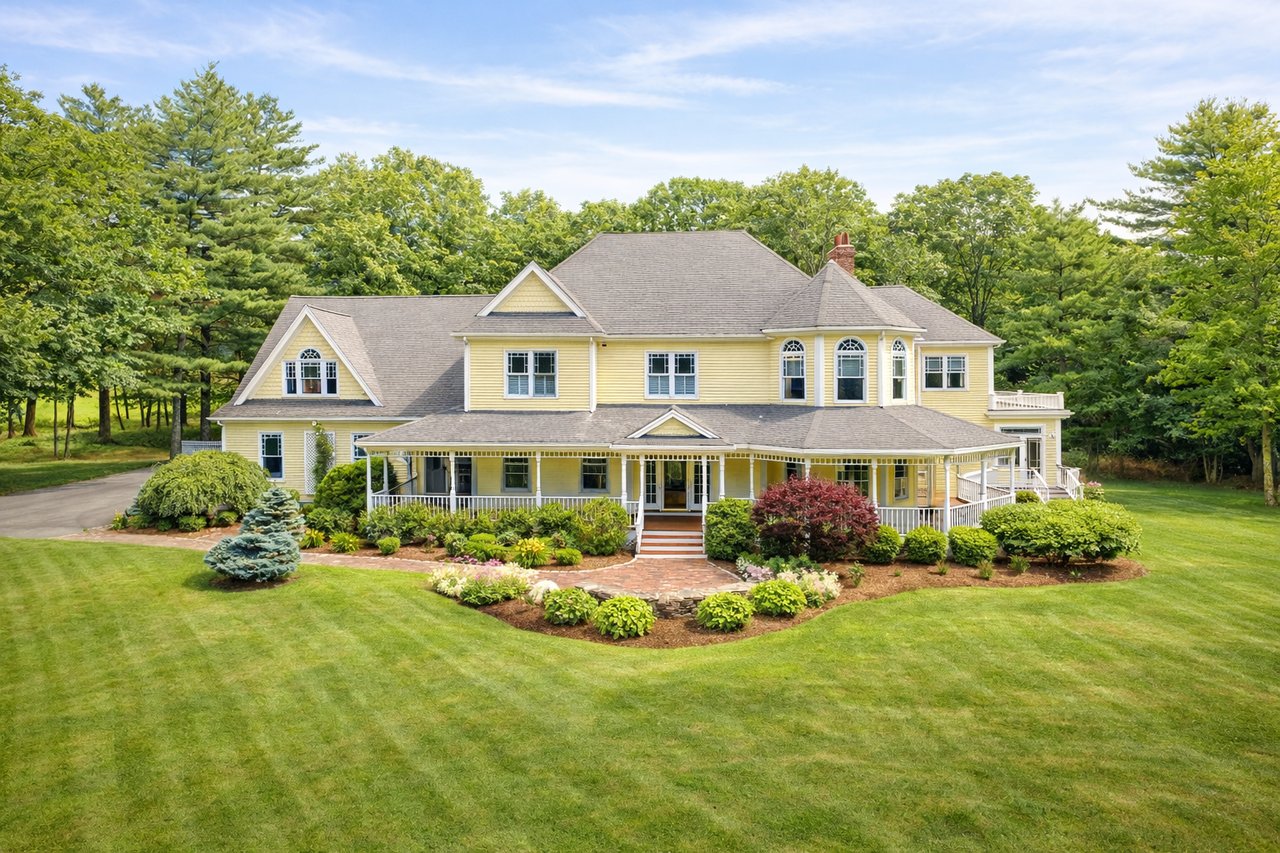
  • Lead with setting. Open with an aerial hero image that frames the house within the landscape.
  • Map the privacy. Use boundary overlays and callouts for tree buffers, setbacks, and non-buildable areas to clarify usable space.
  • Showcase livability. Highlight outdoor rooms, gardens, potential pool sites, or equestrian areas if allowed. Tie the site to daily life.
  • Prove readiness. Include the Title 5 report, survey, and any septic design or permits in your downloadable packet. Transparency reduces friction.
  • Target the right audience. Aim at buyers seeking space, privacy, and the Dover-Sherborn district. Keep commute and amenity claims factual.

Reviewing offers with confidence

When offers arrive, weigh both price and risk:

  • Financing strength. Jumbo pre-approvals, cash proof of funds, and lender familiarity with large-lot appraisals matter.
  • Contingency scope and timing. Tight, realistic windows for septic, survey, and appraisal keep momentum.
  • Appraisal readiness. Provide your packet to the appraiser, including the site plan, Title 5, and your comp rationale emphasizing usable acreage.
  • Closing logistics. Align closing dates with your next move, and consider use-and-occupancy agreements if needed to bridge timelines.

Next steps

Pricing privacy and land in Dover starts with facts, not folklore. When you document usable acres, address Title 5, and align your home’s condition with buyer expectations, you position your property to capture the premium that privacy deserves. If you want a tailored pricing opinion and a marketing plan that tells your land story with cinematic clarity, we’re here to help. Connect with The Walsh Team Partners for a complimentary consultation.

FAQs

How do I measure usable acres on my Dover lot?

  • Combine a recent survey with a wetlands delineation and check for any conservation restrictions through the town’s Conservation Commission. Usable acres exclude protected buffers and no-disturb zones.

Why does Title 5 matter for pricing a home on acreage?

  • Title 5 governs septic capacity and placement, which can limit bedroom count or future additions. A recent inspection per MassDEP Title 5 gives buyers and lenders confidence and can support a higher price.

Do Dover-Sherborn schools influence what buyers pay?

  • Yes, being inside the Dover-Sherborn district is a common selling point and is often reflected in pricing when comparing similar properties in nearby towns outside the district.

Will MBTA Communities zoning changes affect my large-lot value?

  • Dover’s planning indicates targeted areas for any by-right multifamily zoning. Most estate neighborhoods are not directly affected today. Review the town’s MBTA Communities presentation for current context.

Where can I see how the town values my land versus my house?

Work With Us

Our track record of success speaks for itself, but it's our commitment to our clients that truly sets us apart. Whether you're buying your first home, searching for a luxury property, or selling your current residence, The Walsh Team combines unmatched industry knowledge with a personalized approach to meet your unique needs. Contact us today to start your journey with the best in the business!

Follow Me on Instagram