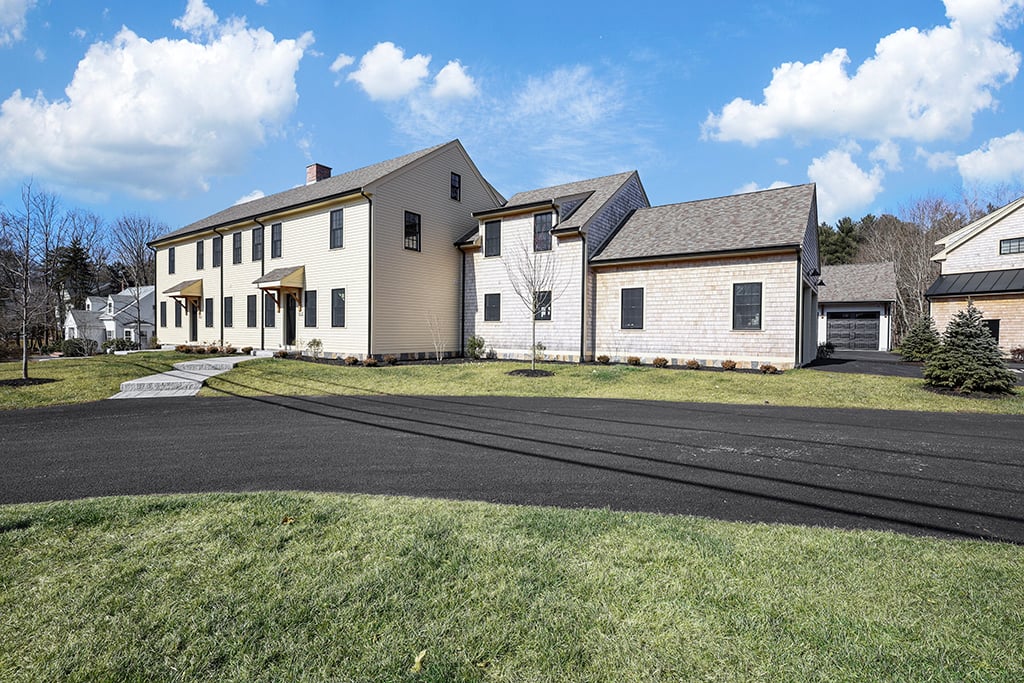
The Medfield Home Appraisal Playbook: A Local Guide for Buyers & Sellers
Medfield isn’t just another suburb. Diverse housing, widespread septic, and low turnover make appraisals here uniquely tricky. This guide walks through how value is really set—and how Medfield buyers and sellers can protect their deals.
Buying or selling a home in Medfield isn’t like buying or selling in most towns. The housing stock is diverse, turnover is relatively low, septic systems are everywhere, and the neighborhoods can feel different block to block.
And as someone who actually lives here—who drives these streets every day, whose kid goes to school here, and who talks to Medfield buyers and sellers constantly—there’s one part of the process that surprises people more than anything else: the home appraisal.
The appraisal can feel technical, mysterious, and sometimes frustrating. It’s also one of the most influential steps in any financed transaction. A strong appraisal keeps everything on track. A low one can derail a deal that had real momentum.
This guide breaks down how appraisals work in Massachusetts, how they play out specifically here in Medfield, and what both buyers and sellers can do to protect themselves, set realistic expectations, and avoid surprises.
- Medfield’s mix of ages, styles, and septic systems makes appraisals more nuanced than in many nearby towns.
- Low neighborhood turnover and uneven renovation quality mean comps don’t always tell the full story.
- Preparation, documentation, and local expertise can be the difference between a clean closing and a painful renegotiation.
What a Home Appraisal Actually Is
A home appraisal is a licensed appraiser’s professional opinion of market value. It’s not emotional, not aspirational, and not based on what a neighbor “thinks a house like that should go for.” It’s driven by data:
- Comparable sales in Medfield and nearby towns
- Current market conditions
- Adjustments for differences between your home and the comps
- Location and neighborhood desirability
- Lot size, shape, and usability
- Renovation quality and recency
- Overall condition and appeal
Your lender uses the appraisal to ensure they’re not over-lending on the property. Even if you and the other party agree on a price, the bank has the final say when financing is involved.
Who Performs Appraisals in Medfield
Appraisals must be completed by state-licensed or state-certified appraisers. In Medfield—where homes range from antiques on Main Street to modern renovations off Noon Hill—lenders often assign:
- Certified Residential Appraisers for most one-to-four family homes.
- Certified General Appraisers for larger, unique, or acreage properties.
Because Medfield has such varied inventory, the certification level matters. A trainee or entry-level appraiser may not have enough experience to parse the nuance between:
- A 1997 colonial with mostly original finishes
- A fully renovated colonial in the same neighborhood
- A builder-quality new construction
- A conservation-backed two-acre property with privacy and trails nearby
How Appraisers Determine Value
Appraisers rely on a few different valuation approaches. In Medfield, you’ll most often see:
Sales Comparison Approach
This is the primary method. The appraiser compares your home to recently sold “comps” that match in:
- Style and architecture
- Square footage and layout
- Condition and renovation level
- Location and neighborhood
- Acreage and lot character
- Amenities like garages, finished basements, and outdoor space
Because turnover in Medfield is relatively low in many neighborhoods, appraisers sometimes need to use older sales or comps from nearby towns like Dover, Walpole, Millis, Norfolk, or Sherborn.
Cost Approach
Used when the property is new, heavily renovated, or architecturally unique. The appraiser estimates what it would cost to rebuild the home today, then applies depreciation for age and wear.
Income Approach
Rare for single-family homes in Medfield, but relevant for multi-family properties or homes with rentable suites or accessory units.
From Evan“A successful appraisal in Medfield is not luck—it’s preparation, documentation, and local expertise.”
The Appraisal Timeline in Medfield
Here’s what the typical process looks like for a financed purchase or refinance:
- The lender orders the appraisal.
- The appraiser schedules an interior and exterior inspection.
- The appraiser visits the property and conducts the inspection.
- They research comparable sales and write the report.
- The lender receives, reviews, and clears (or questions) the report.
In most cases, the total timeline is about 7–21 days. For more complex properties, it can extend to three to four weeks. In Medfield, the timeline can stretch due to septic documentation, renovation verification, lot-specific uniqueness, or lack of recent comps.
What Appraisers Look at in Medfield Homes
During the inspection, appraisers focus on factors that directly affect value and marketability, including:
- Gross living area (above-grade square footage)
- Bedroom and bathroom count and distribution
- Layout and flow (older Medfield homes often have quirky floor plans)
- Kitchen and bath updates
- HVAC, electrical, plumbing, roof, and windows
- Basement condition and finish level
- Garage and outbuilding functionality
- Lot shape, privacy, noise, and usability
- Proximity to downtown, schools, parks, and recreation
- Renovation quality and age
- Title V status for septic systems
- Safety issues (handrails, smoke detectors, peeling paint, etc.)
Medfield’s mix of historic, mid-century, and newer homes can make these evaluations more complex than in towns with more uniform housing stock.
Medfield’s Unique Appraisal Challenges
Medfield is a wonderful place to live—but a challenging place to appraise accurately. A few factors make this market especially nuanced:
Low turnover in key neighborhoods
Areas like Noon Hill, Woodcliff, Harding, and West Street often have very few annual sales. Without fresh comps, appraisers must reach farther back in time or use imperfect matches from surrounding towns.
Septic systems everywhere
Appraisers pay close attention to:
- System age and design
- Soil and site conditions
- Bedroom capacity
- Replacement potential
- Title V results
A passed Title V supports value. A failure can seriously impact it.
Wide variation in renovation quality
Two similar-looking colonials may be worlds apart depending on updates. Proper documentation is critical so the appraiser understands the true value of high-end improvements versus basic cosmetic work.
Street-by-street desirability
Because I live here, I know this firsthand: certain pockets are simply more desirable, more private, or more walkable. Appraisers who don’t spend time in Medfield can miss that nuance. That’s where good communication and documentation really matter.
Buyer demand outpacing comps
Strong demand—and competitive offers—can push sale prices ahead of recent sale data. The appraisal sometimes lags what buyers are actually willing to pay in real time.
How Appraisals Impact Medfield Sellers
Buyers feel the impact of appraisals—but Medfield sellers feel it just as strongly.
Because I live in town, I see how quickly homes move, how competitive certain neighborhoods are, and how fast pricing shifts. When an appraisal doesn’t keep up with current demand, sellers can face:
- Price renegotiation
- Delayed closing
- Losing the deal entirely
- Going back on the market
- Reduced net proceeds
Even perfectly priced homes can appraise low if comps lag behind current buyer behavior.
Why Medfield Sellers Are Particularly Vulnerable
Medfield sellers are especially exposed to appraisal issues because:
- Turnover is low in many neighborhoods, so there are fewer relevant comps.
- Renovation quality varies widely and isn’t always obvious without documentation.
- Septic systems and Title V results can dramatically change value.
- Buyers sometimes write aggressive offers that outpace the closed sale data.
How Medfield Sellers Can Strengthen Their Appraisal
This is where I take a very active role, because it matters.
Provide a renovation and upgrade package
I supply the appraiser with:
- A detailed list of renovations and upgrades
- Permits and receipts where available
- Floor plans
- Title V documentation
- Plot plans
- Photos that highlight improvements
Appraisers rarely understand the value of high-end upgrades unless someone shows them clearly and concisely.
Meet the appraiser with the right comps
I provide:
- Neighborhood-appropriate sales
- Pending transactions when helpful
- Off-market sales, when verifiable
- Market context and trends that raw data doesn’t show
Because I live here and work this market every day, I know which comps truly match your home—and which don’t.
Ensure the home is inspection-ready
Clean, accessible, functional homes appraise better. Small issues such as missing handrails, non-functioning smoke detectors, or obvious damage should be addressed before the visit.
What Happens If the Appraisal Comes In Low
Buyers and sellers have options when an appraisal comes in below the purchase price.
- Bring additional cash to cover the appraisal gap.
- Renegotiate the price with the seller.
- Request a reconsideration of value with additional comps.
- Ask for a second appraisal, if the lender allows it.
- Use an appraisal contingency to exit the contract, if included.
- Stand firm on price and ask the buyer to cover the gap.
- Negotiate a lower price or split the difference.
- Offer credits to offset some of the buyer’s added cash.
- Return to market, if the contract terms allow.
The best strategy depends on leverage, timing, and the specific property. In low-inventory moments, Medfield sellers often have more power than they realize.
Real Medfield Appraisal Scenarios
Scenario 1: Renovated Colonial Near Downtown
Competing buyers push the price higher than older comps support. The appraiser initially questions the value, but detailed renovation documentation and a strong comp package help justify the price and keep the deal intact.
Scenario 2: Noon Hill Home on a Large, Private Lot
Low turnover makes direct comps scarce. The appraiser uses similar properties from nearby towns like Sherborn and Walpole for context, then adjusts for Medfield’s demand, location, and lot characteristics.
Scenario 3: Antique with Modern Systems and Passed Title V
The home combines historic charm with updated systems, a new roof, and a recently installed septic system. Once these improvements and Title V documentation are presented, the appraiser is able to justify a higher value than the raw sales data alone might suggest.
Bottom Line: Medfield Appraisals Reward Preparation
A successful appraisal in Medfield is not luck—it’s preparation, documentation, and local expertise working together.
Medfield is a unique market with:
- Diverse home ages and styles
- Varying renovation quality
- Widespread septic usage
- Neighborhood-specific premiums
- Competitive buyer behavior
The more proactively you approach the appraisal, the smoother your closing will be—whether you’re buying or selling.
If you’re planning a move in Medfield—or you simply want clarity around your home’s value—I’m here to help. As a Medfield resident and Team Leader of The Walsh Team & Partners, my goal is to give you the insight, strategy, and confidence you need to make smart decisions in this market.
The Walsh Team & Partners
William Raveis Real Estate