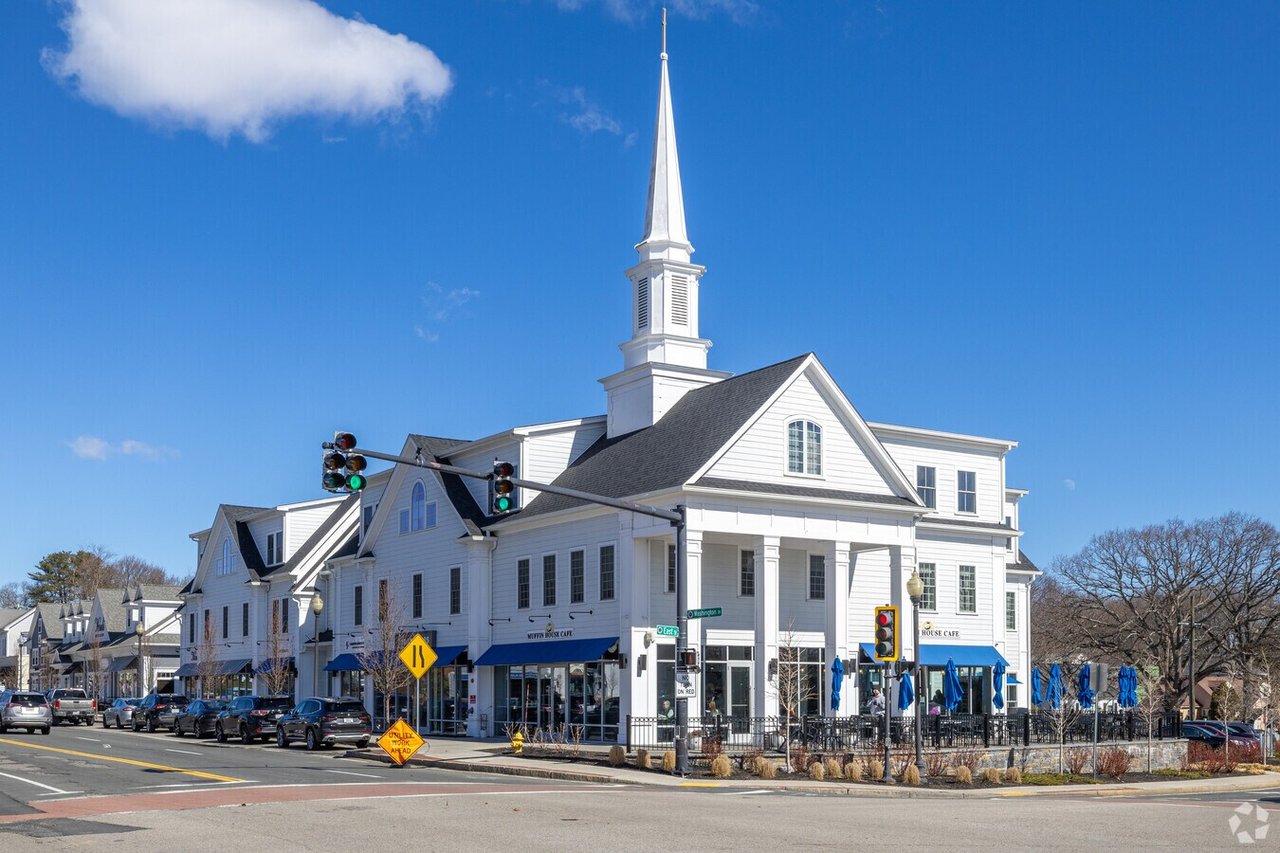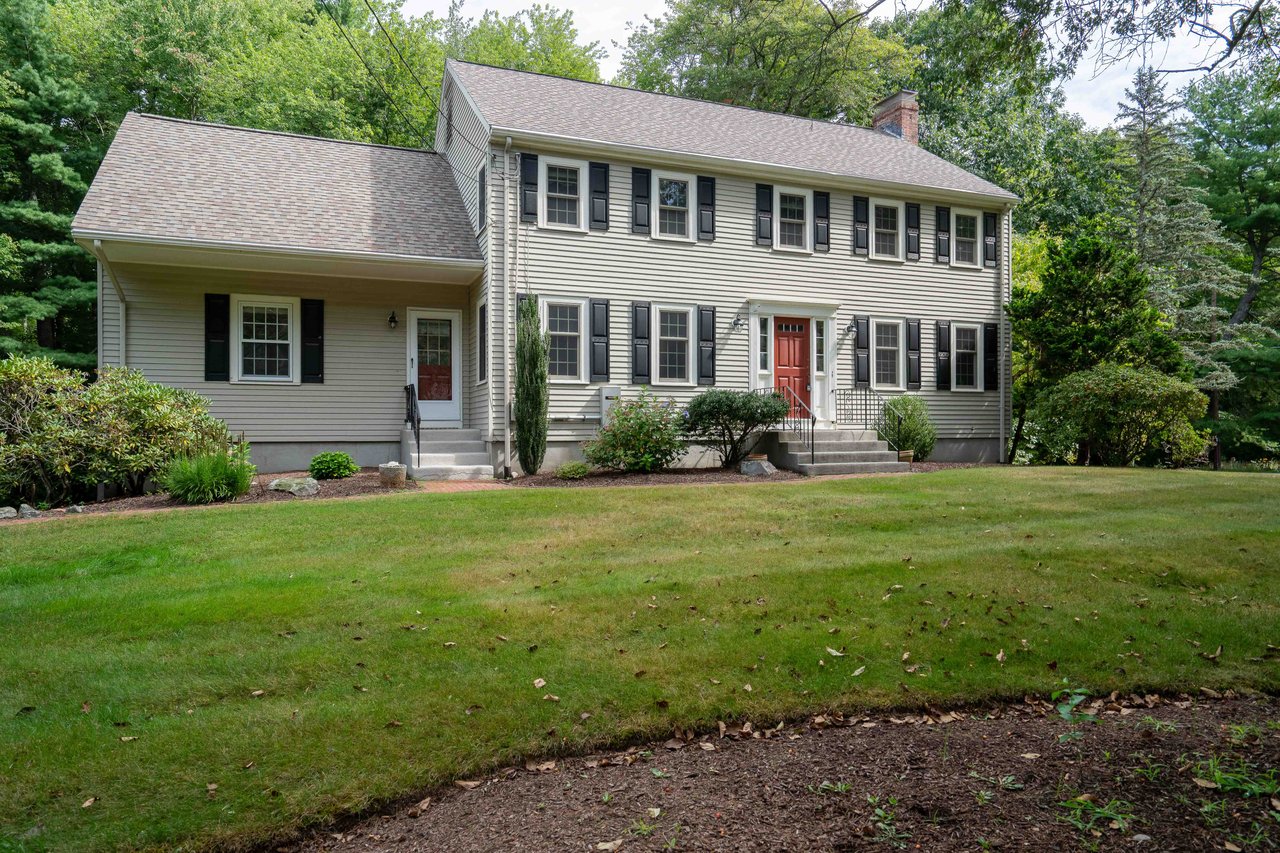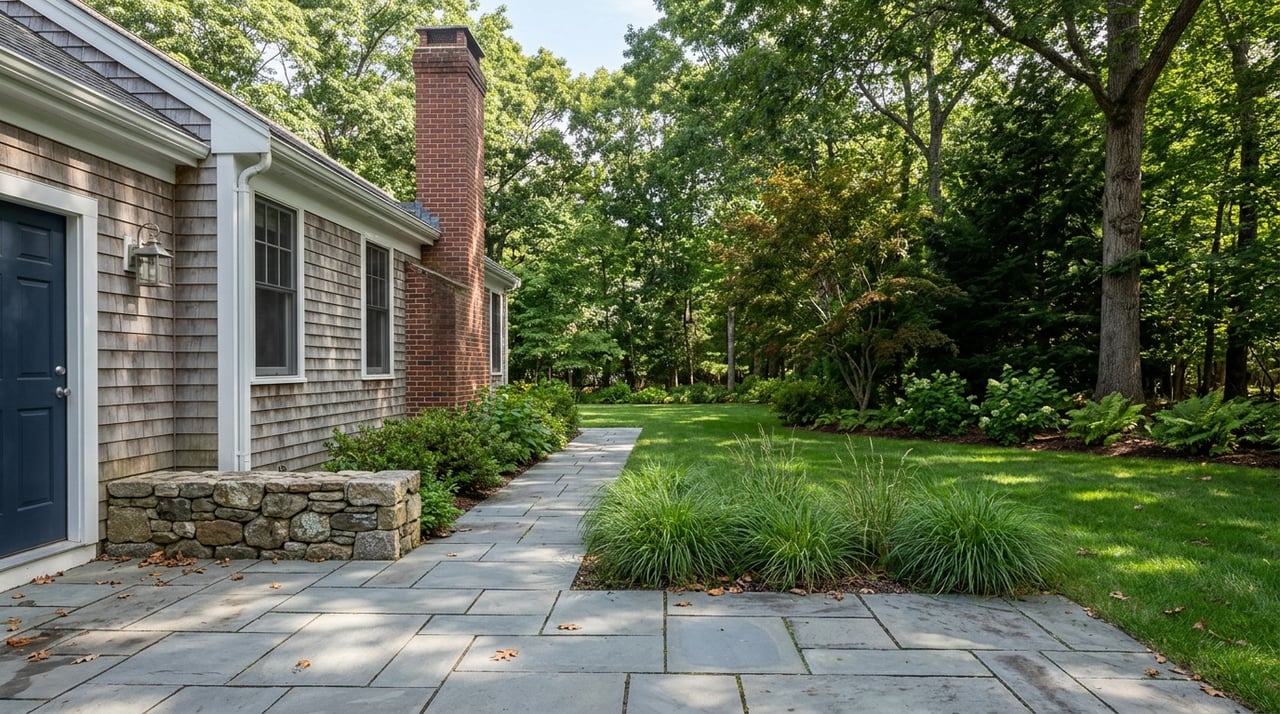
Wayland MA Real Estate • Conservation Land • Commuter Lifestyle
Wayland MA: Where Conservation Living Meets a Practical MetroWest Commute
A closer look at Wayland’s open space, Lake Cochituate lifestyle, road access, schools, and why this small MetroWest town appeals to buyers who want room to breathe without feeling disconnected

Wayland is a strong fit for buyers who want conservation land, water recreation, strong schools, high owner occupancy, and practical road access. It is not a train-town, and that matters. But for buyers who value outdoor space, quiet residential living, and a car-based MetroWest commute, Wayland can be one of the more compelling lifestyle choices west of Boston.
If you want a town where a morning walk on conservation land can fit into the same day as a highway commute, Wayland deserves a closer look.
A lot of buyers are trying to balance space, nature, schools, and practical access to work. That can feel hard to find in one place.
In Wayland, the lifestyle is less about urban convenience and more about daily breathing room with regional access.
Why Wayland Stands Out
Wayland is a small MetroWest suburb with a 2024 population estimate of 14,054. The town has a high owner-occupancy rate at 87.6%, a median owner-occupied home value of $978,400, and a median household income of $224,000.
Those numbers point to a well-established residential community with a strong long-term ownership pattern.
The town also reflects a highly educated population, with 78.8% of adults age 25 and older holding a bachelor’s degree or higher. For many buyers, that adds to the sense that Wayland is a place where people put down roots and stay connected to the community over time.
Wayland is not trying to be a dense urban center. That is part of the appeal. It is a residential, ownership-heavy town where space and setting are a major part of the value.
Outdoor Access Shapes Daily Life
One of Wayland’s biggest lifestyle advantages is how much protected open space it offers.
According to the Conservation Commission, about 20% of the town is secured as open space, including 19 major conservation areas totaling 1,023 acres. These lands are open from dawn to dusk and support activities such as hiking, pet walking, picnicking, snowshoeing, skiing, canoeing, small non-motorized boating, and fishing.
That means outdoor time in Wayland can be part of your regular routine, not just a weekend plan.
“Wayland’s outdoor lifestyle is not theoretical. It is built into the way the town lives day to day.”
Conservation Areas to Know
Wayland’s conservation system includes areas such as Hamlen Woods, Heard Farm, Loker, and Pod Meadow.
The town also manages some parcels with both recreation and habitat in mind. At Cow Common, for example, habitat work is intended to support bobolinks and other threatened bird species.
That stewardship adds another layer to the town’s appeal. Wayland’s open space is not just scenic. It is actively managed as part of a broader effort to support wildlife habitat, recreation, and long-term land care.
For buyers who want nature nearby without giving up access to MetroWest and Greater Boston, Wayland’s conservation network is one of its strongest lifestyle advantages.
Lake Cochituate Adds Water Recreation
Wayland also offers direct access to water-based recreation through Town Beach on Lake Cochituate.
The town highlights freshwater swimming, boat rentals, swimming lessons, and rentals for kayaks, canoes, stand-up paddle boards, and pedal boats.
For many households, that creates a lifestyle that feels active without being complicated. You do not need to leave town to enjoy a summer beach day, get out on the water, or build outdoor recreation into family routines.
“Lake Cochituate gives Wayland a summer lifestyle layer that many inland suburbs simply do not have.”
A More Connected Outdoor Network
Wayland’s outdoor story is also becoming more connected.
The town’s rail-trail effort centers on a three-mile abandoned Mass Central Rail Line segment that runs through town, and Wayland is now part of the East Coast Greenway.
That matters because it gives the town a stronger framework for connected outdoor movement beyond isolated trail parcels. The combination of conservation land, trails, water access, and greenway planning supports a more cohesive outdoor lifestyle.
Wayland’s outdoor value is not just about having trails. It is about having open space, water access, habitat stewardship, and a growing regional trail connection.
Commuting in Wayland: What to Expect
If you are considering Wayland for commuting, understand the tradeoff clearly.
Wayland has easy access to I-90, I-95/Route 128, and Routes 20, 27, 30, and 126. That road network is one of the town’s main strengths for people commuting to jobs around MetroWest and the greater Boston area.
At the same time, Wayland does not have its own commuter rail station, and the town does not have MBTA bus or rail service within town. Commuter rail is available in neighboring communities, and a commuter bus stops in Wayland Center.
“Wayland is not a train-town. It is a road-access town with a quieter, greener daily lifestyle.”
The Commuter Tradeoff Is Real
If your ideal setup is walking to a station every morning, Wayland may not be the best match.
If your priority is a residential setting with nature, open space, and strong road access, Wayland may be a better fit.
The town’s mean travel time to work is 30.5 minutes, which suggests the location works for many commuters even without rail service in town. For some buyers, that balance is exactly the point. You trade transit density for more land, more green space, and a quieter setting.
Wayland works best for buyers who are comfortable with a car-oriented routine and want the lifestyle benefits that come with a less dense setting.
Schools Are Part of the Appeal
For buyers weighing long-term fit, Wayland Public Schools are often part of the conversation.
The district’s 2024 DESE accountability report says it is not requiring assistance or intervention and met or exceeded its targets with an 80% criterion-referenced target percentage.
Individual schools listed in that report, including Claypit Hill, Happy Hollow, Loker, Wayland Middle School, and Wayland High School, were also not requiring assistance or intervention.
District Size and Scale
Wayland Public Schools serve 2,662 students across the district. That includes 665 students at Wayland Middle School and 792 students at Wayland High School.
For some buyers, that scale contributes to a smaller-town feel, especially compared with larger nearby school districts.
School data does not tell the whole story of a town, but Wayland’s district profile is one of the reasons many buyers keep it high on their MetroWest list.
What a Typical Day Can Look Like
The most believable picture of Wayland life is not about rushing from a train platform to a downtown office.
It is more about starting your day with outdoor access, moving through a car-based routine, and returning to a setting that feels calm and green.
You might take an early walk on a local trail, head out for school or work, use the highway network for your commute, and be back in town in time for an evening by Lake Cochituate or another conservation area. That is the lifestyle draw.
“Wayland offers room to exhale while staying connected to the region.”
Is Wayland the Right Fit for You?
Wayland tends to appeal to buyers who want a residential community with meaningful outdoor access and practical road connections.
It can be especially attractive if you value open space, ownership stability, schools, and a day-to-day lifestyle that feels less crowded than denser commuter hubs.
It may be a strong fit if you are relocating to MetroWest, moving up within the suburbs, or looking for a place where outdoor recreation is easy to reach. It may be less ideal if in-town rail access is a non-negotiable part of your search.
Evan Walsh • MetroWest, Massachusetts
Evan Walsh leads The Walsh Team at William Raveis Real Estate and advises buyers and sellers across Wayland, Sudbury, Weston, Natick, Wellesley, Needham, Dover, Sherborn, Medfield, Westwood, and the surrounding MetroWest communities.
For buyers comparing towns west of Boston, Evan helps evaluate the full picture: commute, schools, neighborhood feel, outdoor lifestyle, housing value, and long-term fit.
If Wayland is on your radar, Evan can help you compare it against nearby MetroWest towns before you make the move.
Thinking About Buying in Wayland?
Whether you are comparing Wayland, Sudbury, Weston, Natick, or another MetroWest town, let’s talk through your options and build the right strategy.