Sherborn MA Real Estate • Equestrian Properties • Land, Trails & Lifestyle
Buying Equestrian Property in Sherborn? What to Know Before You Fall in Love With the Barn
A practical guide to acreage, zoning, wetlands, trail access, financing, taxes, and the hidden details that can make or break a horse property in Sherborn

Sherborn is one of MetroWest’s most appealing towns for equestrian buyers, but acreage alone does not tell the full story. Zoning, wetlands, soil conditions, trail rights, barn placement, driveway access, financing, and tax classification all need to be reviewed before you assume a property will work for horses.
If you are searching for equestrian property in Sherborn, it is easy to fall in love quickly.
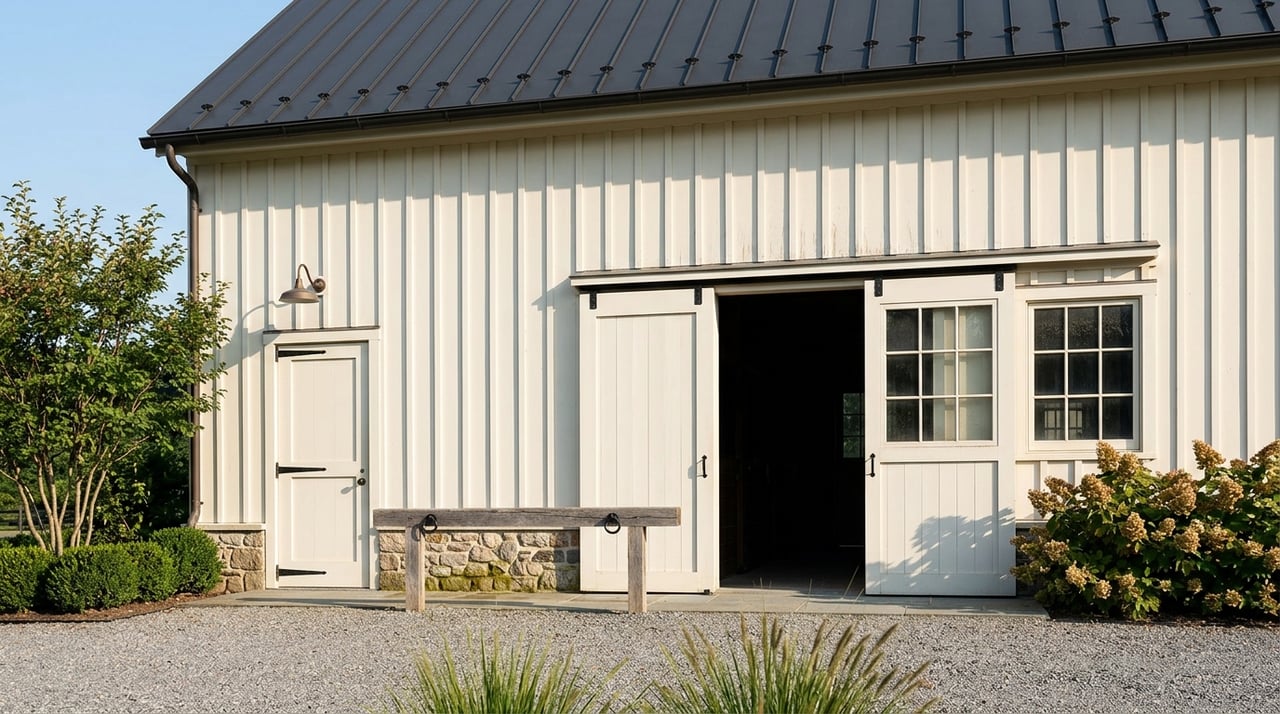
A beautiful field. A barn. Stone walls. Trails nearby. A setting that feels private, rural, and still connected to MetroWest.
But horse property is not just about acreage.
A parcel can look ideal online and still fall short once you factor in trail access, wetlands, soil conditions, barn siting, trailer access, zoning, financing, and taxes. The good news is that with the right local guidance and careful due diligence, you can buy with much more confidence.
Why Sherborn Draws Equestrian Buyers
Sherborn has long appealed to buyers who want a rural setting within the MetroWest and Boston commuter belt.
The town has open space, conservation land, wooded trails, fields, and a landscape that naturally attracts buyers looking for privacy, land, and an outdoor lifestyle.
That said, the details matter. Trails can be hilly, rocky, wet, uneven, or maintained differently from one area to another. Proximity to open space does not always mean guaranteed horseback access.
In Sherborn, a property can feel like horse country and still have limitations that affect how the land can actually be used.
Start With the Property’s Real Use
Before you fall in love with the barn, define exactly how you plan to use the property.
That may sound basic, but it is one of the most important steps in the process because personal horse keeping and income-producing activity are not always treated the same way.
You may be looking for:
- Personal horse keeping
- A small farm use
- Boarding horses
- Lessons or other income-producing activity
- A commercial stable setup
In Sherborn, that distinction matters. Certain farm and stable uses are allowed, but commercial stabling of more than four horses requires a special permit. If you plan to board horses, offer lessons, or operate any business activity from the property, the permitting path may be different than expected.
“The first question is not how many acres the property has. It is what you actually want to do there.”
Sherborn Zoning Details to Review Early
Local zoning is one of the most important parts of an equestrian purchase in Sherborn.
Massachusetts law broadly includes horses within agriculture, but local rules still control what can happen on a specific parcel. That means buyers should confirm the zoning district, the property’s current use, and their intended use before committing.
This becomes especially important if your plan includes boarding, lessons, tack sales, employees, clients visiting the property, or more than four horses in a commercial setting.
A property that works beautifully for personal horse keeping may not automatically work for boarding, lessons, or a commercial stable.
Barn Placement, Setbacks and Site Layout
Site layout can affect usability as much as zoning itself.
In Sherborn residence districts, farm or poultry farm buildings must be at least 100 feet from the street sideline. On paper, that may sound easy on a larger parcel. In practice, wetlands, slopes, driveway geometry, existing septic, wells, and tree cover can narrow your choices quickly.
That is why buyers should not just ask whether the lot is large enough. They should ask whether the usable portion of the lot supports the layout they need.
“With horse property, usable land matters more than total acreage.”
Driveways and Trailer Access
Access is another issue buyers sometimes underestimate.
A driveway that works perfectly well for everyday living may still be awkward for trailers, deliveries, farriers, veterinarians, hay trucks, or service vehicles.
If a property has a long private drive, shared access, tight turns, steep grades, or limited turnaround space, you will want to walk and drive it carefully before making assumptions.
A property can have a beautiful barn and still be difficult to use if trailer access is poor.
Acreage Is Not the Same as Usable Land
One of the biggest mistakes in equestrian searches is assuming that more acres automatically means more function.
In Sherborn, soil conditions can vary dramatically from parcel to parcel and even within the same lot. Constraints can include seasonal high water table, hardpan, shallow bedrock, wetlands, slopes, and drainage challenges.
For horse property, that matters. You need usable land for turnout, paddocks, fencing, manure management, drainage, barn placement, access, and future improvements.
“Five pretty acres and five functional acres are not always the same thing.”
Wetlands Can Shape the Whole Plan
Wetlands are a major part of the due diligence process in Sherborn.
The town has jurisdiction over work within 100 feet of a wetland. Under local regulations, the first 50 feet from the wetland border is a no-alteration zone, and the next 50 feet is a buffer zone.
For an equestrian buyer, that can affect:
- Barn placement
- Fence lines
- Turnout design
- Drainage improvements
- Accessory structures
- Future expansion plans
A field that looks open and usable may still be limited by jurisdictional wetlands or local buffer rules.
Walk the land after rain or snowmelt if possible. It can reveal wet areas, drainage patterns, and practical limitations that are easy to miss on a dry day.
Trail Access Needs Document Review
In a town known for open space and trails, it is easy to assume that nearby trails equal riding access.
That is not always true.
Conservation restrictions, easements, private land, public access rules, and recorded rights all need to be reviewed. Seeing a trail nearby does not automatically mean you have legal horseback access from the property.
“Trail proximity is not the same as trail rights.”
Commute and School Context
Sherborn offers a rural feel, but it is primarily a road-based commuter town. Routes 16 and 27 are the main commuter roads, major highways are one or two towns away, and rail or bus service is several miles away in Natick and Framingham.
For buyers balancing horses, family schedules, and work, it is worth testing the actual commute at the times you would drive it.
Public schools are also part of the draw for many buyers. Pine Hill Elementary serves Sherborn’s younger students, while the middle and high school model is shared with Dover through Dover-Sherborn.
Sherborn works best for buyers who want space, privacy, schools, and rural character more than transit convenience.
Financing Can Be More Complex Than Expected
Equestrian properties often require more lender and appraiser discussion than a typical suburban home.
Large lots, barns, rural characteristics, limited comparable sales, agricultural uses, and income-producing potential can all complicate valuation.
That means buyers should involve their lender early and ask how the property will be evaluated before getting too far into the process.
“The appraiser may not see the barn the same way the buyer does. That gap matters.”
Taxes and Current-Use Classification Matter
Carrying costs deserve close review when you are buying land-rich property in Sherborn.
Sherborn’s FY2026 tax rate is $15.66 per $1,000 of assessed value, and the town’s FY2026 average single-family tax bill is $20,018.
Buyers should also check whether the land is enrolled in Chapter 61, 61A, or 61B current-use programs. If the land is changed to another use or no longer qualifies, tax consequences may follow.
That can include conveyance tax or rollback taxes, depending on the classification and circumstances.
A horse property may look like a simple residential purchase, but the land may have a tax history that affects future use and carrying costs.
A Practical Sherborn Equestrian Checklist
Before you move forward, pressure-test the property in a systematic way.
- Confirm the zoning district and your exact intended use
- Review whether boarding, lessons, tack sales, or more than four horses changes permitting
- Walk the parcel after rain or snowmelt
- Request available percolation, groundwater, and soil-test records
- Review wetlands, no-alteration zones, and buffer areas
- Check trail easements, conservation restrictions, and recorded access rights
- Evaluate driveway width, turning radius, and trailer maneuvering
- Ask your lender and appraiser early about valuation approach
- Verify any Chapter 61, 61A, or 61B classification before closing
- Confirm your likely commute pattern and school assignment if those matter to your move
The Bottom Line for Sherborn Horse Property Buyers
The best equestrian purchases in Sherborn usually come down to fit, not just charm.
A beautiful setting is important, but so are the less visible details: soil conditions, wetlands, legal access, zoning limits, driveway function, tax classification, and how the property will work day to day.
When you evaluate those pieces early, you put yourself in a much stronger position to choose a property that supports both your lifestyle and your long-term investment.
Evan Walsh • MetroWest, Massachusetts
Evan Walsh leads The Walsh Team at William Raveis Real Estate and advises buyers and sellers across Sherborn, Dover, Medfield, Wellesley, Needham, Weston, Westwood, Natick, Sudbury, and the surrounding MetroWest communities.
For equestrian and land-rich properties, Evan helps buyers look beyond the listing photos and evaluate the details that affect real usability, value, and long-term ownership.
If Sherborn is on your radar, Evan can help you compare properties with the right local lens before you make the move.
Thinking About Buying Equestrian Property in Sherborn?
Whether you are looking for a private horse property, a larger estate, or a land-rich MetroWest home, let’s talk through your goals and build the right strategy.