What if the style of your Wellesley home could shape how you live every day and how your property performs when you sell? In this town of historic charm and thoughtful new builds, style influences curb appeal, room flow, and your renovation roadmap. If you’re weighing Colonial vs. Cape, Victorian vs. Shingle, or a Contemporary, you’ll want a clear guide to what each offers in New England form and function. Below, you’ll learn how to spot each style, typical layouts and size ranges, what today’s move-up buyers prioritize, and renovation tips for the Wellesley market. Let’s dive in.
Why style matters in Wellesley
Wellesley blends late 19th to mid-20th century houses with newer infill, all set within neighborhoods where character and scale matter. Style influences how easily you can open the kitchen to a family area, add a primary suite, or connect living spaces to the yard. Many buyers value commuter access to MBTA Framingham/Worcester line stations, school access, and updated systems alongside classic architecture.
Before exterior changes or additions, verify rules with the Town of Wellesley. Some streets include historically sensitive homes that may be reviewed by local boards or commissions. Preserving a home’s massing, window rhythm, and period-appropriate materials typically supports long-term value.
Colonial homes
How to spot it
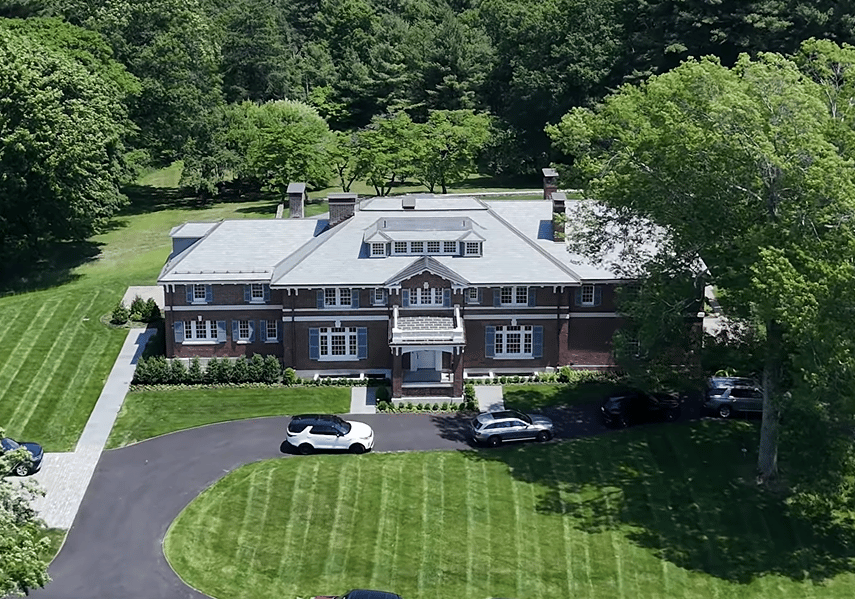
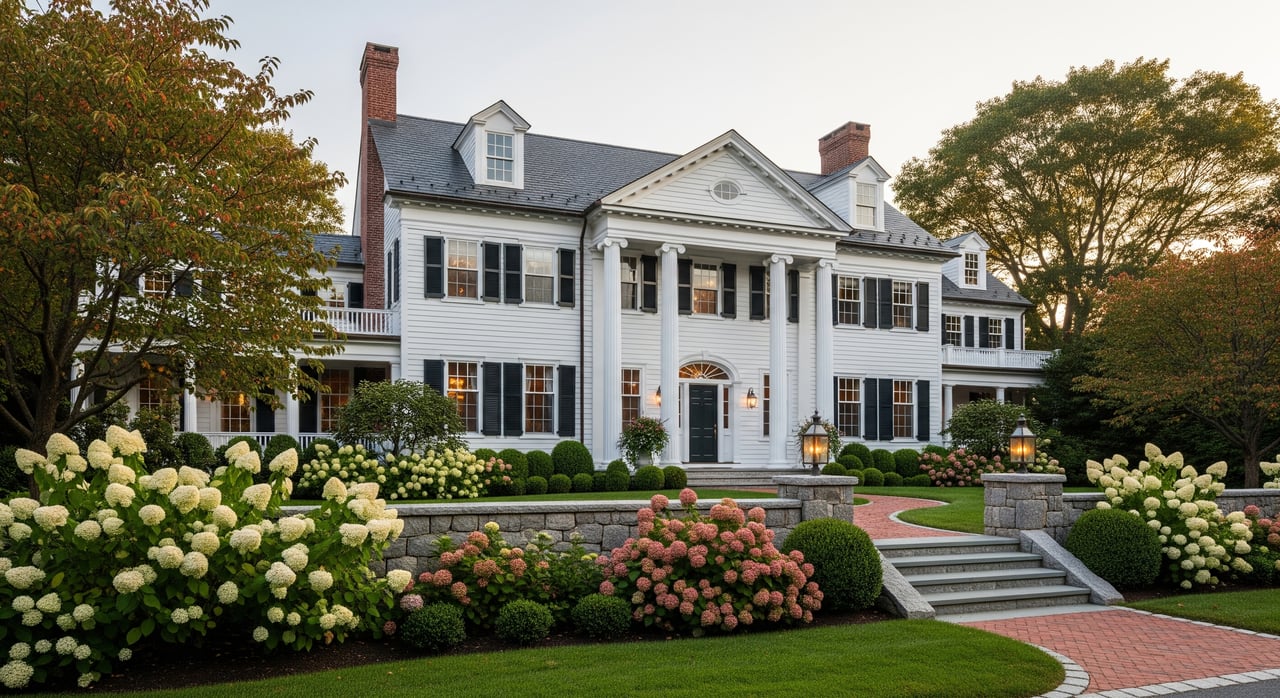
Colonials often present a symmetrical façade with a centered front door and evenly spaced, multi-pane windows. Expect clapboard or painted wood siding, a gabled or sometimes hipped roof, and restrained classical trim. Many are 2 to 2.5 stories, with garages added later.
Layout and size
A classic center-hall plan places formal living and dining rooms off the entry, with the kitchen set toward the rear. Bedrooms are typically on the second floor, and attics are sometimes finished. In Wellesley, Colonial homes commonly measure approximately 2,000 to 4,500+ square feet.
What buyers prioritize
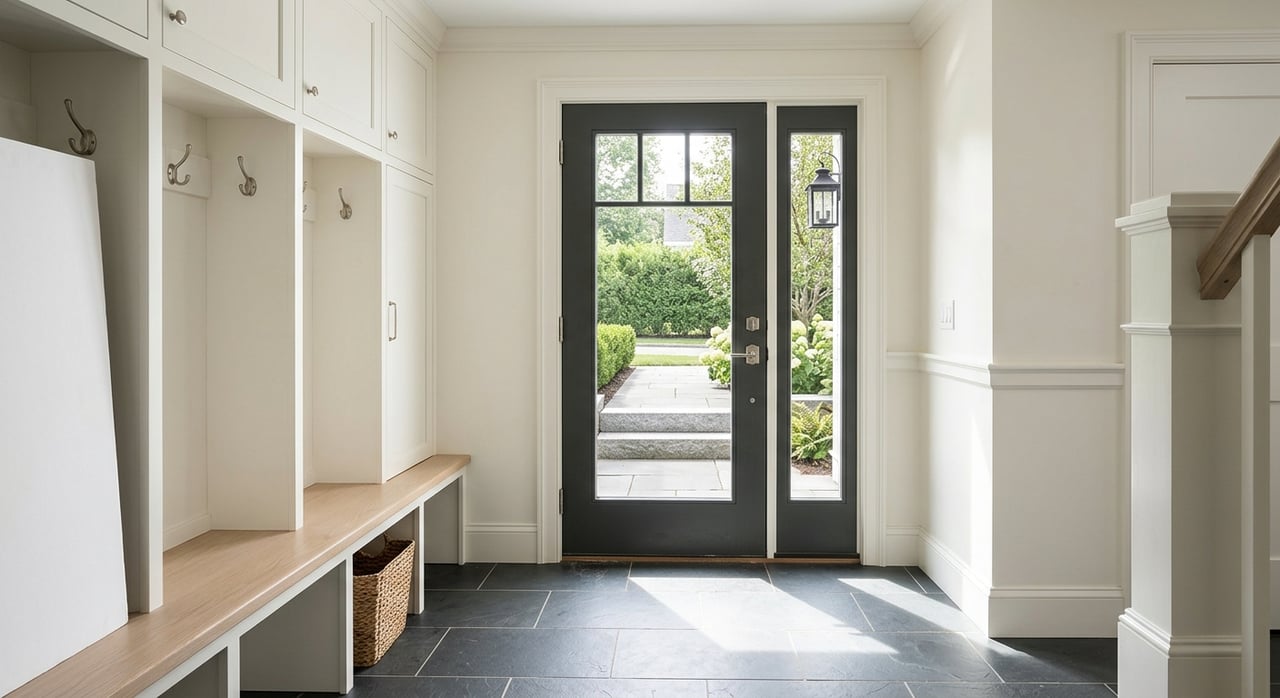
Buyers often seek an enlarged kitchen that opens to a family area, a second-floor primary suite with a walk-in closet and bath, and a functional mudroom with garage access. Finished lower levels for play, fitness, or media are popular. Storage and efficient circulation are key.
Resale and renovation tips
Colonials adapt well to modernization when you preserve the façade symmetry and window rhythm. Thoughtful rear or side additions can add space without overpowering the street view. In older homes, plan for potential system updates, including electrical and plaster repair.
Cape homes
How to spot it
Capes favor a low, broad profile with a steep gabled roof and a simple rectangle footprint. Dormers are commonly added to increase headroom upstairs. Shingle or clapboard siding is standard.
Layout and size
Expect a compact main level with living, kitchen, and sometimes a bedroom or den. Upper-level bedrooms sit under the eaves. Original Capes run approximately 800 to 1,200 square feet, while expanded examples in Wellesley often range from roughly 1,200 to 2,500 square feet, with some renovated homes reaching 2,500 to 3,500 square feet.
What buyers prioritize
Buyers often focus on creating a larger kitchen and family space, adding dormers to make the second floor more usable, and carving out a true primary suite. Energy upgrades and better storage are common goals. A garage or improved parking can add daily convenience.
Resale and renovation tips
Capes are appealing for their scale and potential to expand. Dormer projects can transform livability, but the roof geometry can raise costs on some plans. Keep additions proportional to the street and neighboring homes to protect curb appeal.
Victorian homes
How to spot it
Victorians showcase asymmetry with bay windows, complex rooflines, decorative trim, and sometimes wrap-around porches. You may see towers or turrets in Queen Anne versions and a mix of textures, including patterned shingles and brackets.
Layout and size
Interiors are more compartmentalized, often with a formal parlor, separate dining room, and generous ceiling heights on the main floor. Wellesley-area Victorians typically range from approximately 2,000 to 4,000 square feet, with larger examples exceeding that.
What buyers prioritize
Modernized kitchens and baths that respect historic details are top of mind. Improved flow between kitchen and family areas, upgraded HVAC, and a comfortable bedroom/bath count are important. Off-street parking or a garage solution can increase appeal where lot sizes are modest.
Resale and renovation tips
Well-preserved woodwork, stained glass, and millwork can be a selling point if systems and layouts meet current expectations. Restoration may require higher contingency budgets, and any historic oversight can shape scope and timeline. Balance preservation with comfort to reach the widest buyer pool.
Shingle Style homes
How to spot it
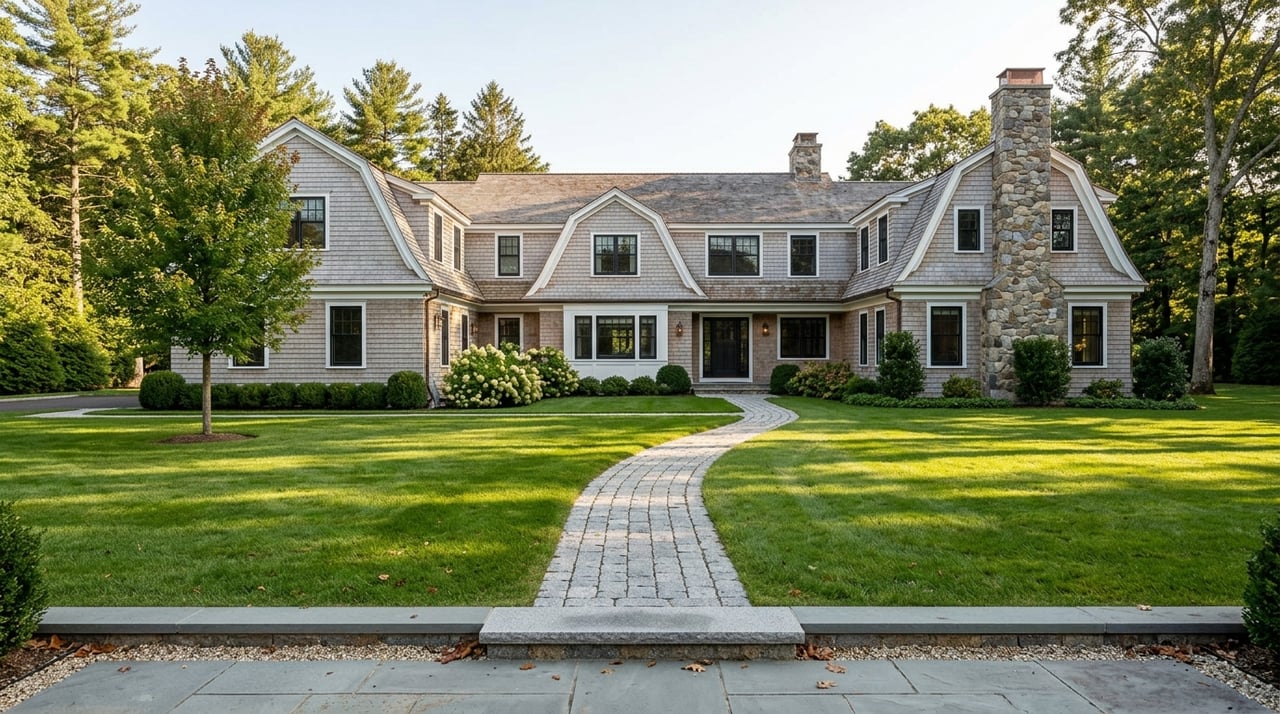
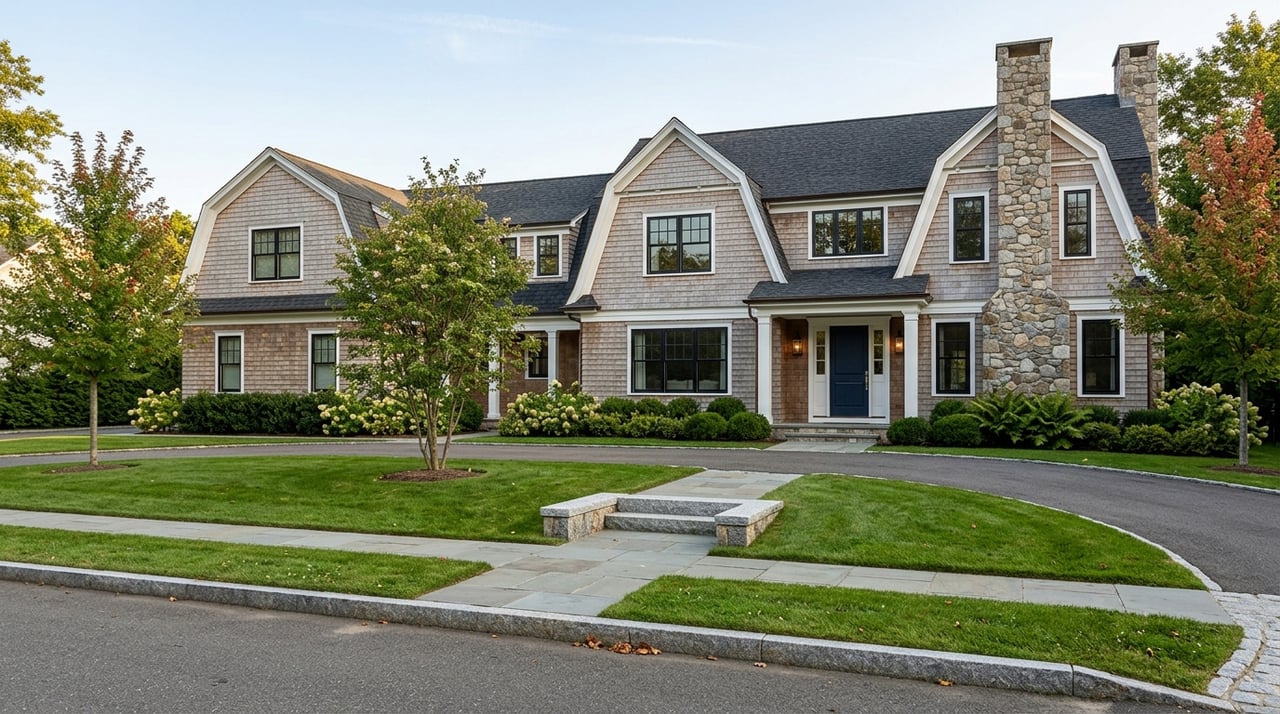
Shingle Style homes wrap complex, often expansive forms in continuous wood shingles. Expect gambrel or multiple gables, large porches, and flowing rooflines that connect naturally to landscaped yards.
Layout and size
These houses often deliver informal, open living with large great rooms, generous porches, and multiple family zones. Bedrooms may be arranged for privacy, often separating the primary suite from secondary rooms. In Wellesley, many Shingle-style homes are larger, commonly around 3,000 to 6,000+ square feet.
What buyers prioritize
Buyers look for high-end kitchens, well-appointed primary suites, and flexible rooms for offices or guests. Strong indoor-outdoor connections matter, along with energy-efficient systems for large-volume spaces. Storage, mudrooms, and 3-season living areas add daily value.
Resale and renovation tips
These homes stand out as showcase properties when well maintained. Exterior shingles and large roofs require periodic care and can drive costs. Highlight outdoor living, entertaining flow, and quality of finishes when bringing a listing to market.
Contemporary homes
How to spot it
Contemporary homes feature clean lines, large windows, and minimal ornament, often with low-pitched or flat roofs. Materials may mix stucco, wood, metal, and glass, emphasizing light and indoor-outdoor connection.
Layout and size
Plans are typically open and flexible, integrating kitchen, dining, and living areas. In Wellesley, sizes vary widely, from approximately 1,800 to 4,500+ square feet depending on era and whether mid-century homes were expanded or replaced with new construction.
What buyers prioritize
Expect interest in high-performance windows and insulation, smart-home features, and private outdoor spaces. Versatile rooms for work or fitness are common requests. Kitchens and baths with clean, modern lines are often upgraded.
Resale and renovation tips
In neighborhoods with more traditional homes, contemporary properties can attract a focused niche buyer. Where styles are mixed, a well-executed modern home can shine. Upgrading systems and finishes while keeping the open-plan intent usually delivers the best return.
Which style fits your life
- You want formal rooms with classic curb appeal: A Colonial offers timeless symmetry and adapts well to rear or side additions.
- You prefer a smaller footprint with expandability: A Cape can grow with dormers and a rear addition to create a larger kitchen and primary suite.
- You love historic details and character: A Victorian rewards preservation, especially when paired with updated systems and improved kitchen flow.
- You prioritize space and entertaining: Shingle Style often brings large rooms, indoor-outdoor living, and flexible zones for work and guests.
- You want open-concept living from day one: Contemporary plans usually deliver flow and light, with upgrades focused on systems and finishes.
Smart due diligence and budgeting
- Get comprehensive inspections for structure, mechanicals, chimney, and potential environmental concerns. Homes built before 1978 may involve lead paint considerations, and some older properties can include materials that require special handling.
- Plan for roofing and envelope costs on Capes, Victorians, and Shingle-style homes with complex rooflines. Dormers add value but can be intricate.
- Budget for system upgrades. Many buyers in Wellesley expect modern HVAC, electrical, plumbing, and energy-efficiency improvements.
- Verify permit requirements and any historic review early. Alignment with neighborhood scale and period-appropriate materials typically supports future resale.
Selling tips that resonate
- Lead with the best of both worlds: highlight preserved period details and the modern upgrades buyers want, such as kitchens, baths, and systems.
- Show useful space beyond the main floors. Finished attics or basements can add versatility for recreation or work.
- Emphasize lifestyle features that Wellesley buyers value: mudrooms with garage access, home office space, outdoor living areas, and storage.
When you are ready to find the right fit or plan a renovation that aligns with neighborhood character, we are here to help you strategize for both daily life and resale. For tailored guidance on Wellesley’s architectural styles and your next move, connect with The Walsh Team Partners.
FAQs
What are the most common home styles in Wellesley?
- Colonial, Cape, Victorian, Shingle Style, and Contemporary homes are widely found, reflecting the town’s mix of late 19th to mid-20th century builds and newer infill.
How big are Colonial and Cape homes in Wellesley?
- Colonials commonly measure approximately 2,000 to 4,500+ square feet. Capes range widely, from roughly 800 to 1,200 square feet in original form to 1,200 to 3,500 square feet when expanded.
Which upgrades add the most value for buyers in Wellesley?
- Open kitchen and family spaces, a well-appointed primary suite, a mudroom with garage access, updated systems and energy efficiency, and outdoor living areas are frequent priorities.
Do I need approval to renovate a historic Wellesley home?
- Possibly. Some properties fall under local historic oversight. Verify requirements with the Town of Wellesley before exterior changes or additions.
What should I inspect in older New England homes before buying?
- Arrange thorough inspections for structure, mechanicals, chimney, and potential environmental concerns in pre-1978 homes. Consider electrical upgrades, insulation, and roof condition, especially on complex rooflines.
Looking to Buy or Sell in Wellesley? Let’s Connect.
If you're preparing for a move in Wellesley—or simply want a clear, professional opinion on your home’s value—I’m here to help. I work from 75 Central Street in Wellesley and am backed by William Raveis Real Estate, the #1 Luxury Brokerage in the U.S. per Inman News.
Evan Walsh
The Walsh Team & Partners
William Raveis Real Estate
75 Central St, Wellesley, MA
(508) 341-4904
walshteam.com
[email protected]

Reach out anytime. I’m here to help you navigate the Wellesley market with clarity, confidence, and expert strategy.